

Sunburns are a painful reminder of the sun’s powerful rays, and a common question that arises is, “Can I put sunscreen on a sunburn?” While it might seem like a straightforward question, understanding the nuances of sunburn care can help you make informed decisions to protect and heal your skin.
Understanding Sunburn
Sunburn occurs when your skin is overexposed to ultraviolet (UV) radiation from the sun. This exposure damages your skin cells, leading to inflammation, redness, and pain. Here are some key points to consider:
- Sunburn can appear within a few hours after sun exposure, reaching its peak redness one to two days later.
- The severity of sunburn varies based on skin type, the intensity of sun exposure, and the duration of exposure.
- Symptoms may include redness, swelling, pain, and in severe cases, blisters.
Sunscreen: The Basics
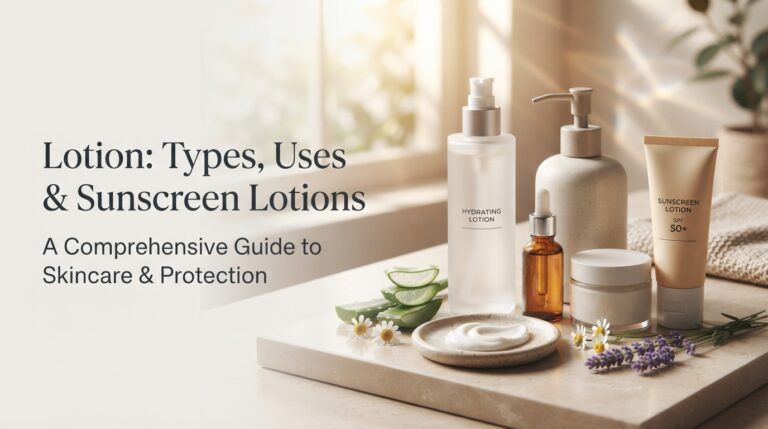
Sunscreen is a protective lotion that shields your skin from harmful UV rays. It comes in various forms, including lotions, sprays, and gels. The key components of sunscreen include:
- SPF (Sun Protection Factor): Indicates the level of protection against UVB rays, which cause sunburn.
- Broad Spectrum: Protects against both UVA and UVB rays, essential for comprehensive protection.
- Water Resistance: Indicates how well the sunscreen holds up while swimming or sweating.
Can I Put Sunscreen on a Sunburn?
The short answer is yes, you can put sunscreen on a sunburn, but there are several factors to consider before doing so. Let’s break it down:
The Purpose of Sunscreen on Sunburn
When applied to sunburned skin, sunscreen serves two primary purposes:
- Protection: Applying sunscreen to a sunburn can help prevent further damage from sun exposure, which is crucial as your skin is already compromised.
- Soothing: Certain sunscreens contain ingredients that can provide a soothing effect, reducing the discomfort associated with sunburn.
Choosing the Right Sunscreen
Not all sunscreens are created equal, especially when it comes to sunburned skin. Here are some tips for selecting the right product:
- Avoid Chemical Sunscreens: Opt for physical or mineral sunscreens containing zinc oxide or titanium dioxide, as they are less likely to irritate sensitive skin.
- Look for Soothing Ingredients: Products containing aloe vera, chamomile, or calendula can help calm inflamed skin.
- Choose Non-Comedogenic Formulas: These products won’t clog your pores, which is especially important for skin healing.
How to Apply Sunscreen on Sunburned Skin
If you’ve decided to apply sunscreen to your sunburn, follow these steps for the best results:
- Wait for Initial Healing: Allow the initial inflammation to subside before applying sunscreen, ideally waiting 24 to 48 hours.
- Cleanse Gently: Wash the affected area with a mild soap and lukewarm water, and pat dry with a soft towel.
- Apply Sunscreen Sparingly: Use a small amount and apply it gently, avoiding any rubbing or massaging that might irritate the skin further.
- Reapply Regularly: If you’re going outdoors, reapply every two hours, or more frequently if swimming or sweating.
Alternative Sunburn Relief Options
While sunscreen can help protect your skin, there are additional methods to relieve the pain and discomfort of sunburn:
- Cool Compresses: Applying a cool, damp cloth can help reduce heat and soothe irritation.
- Aloe Vera Gel: Known for its soothing properties, pure aloe vera gel can be applied directly to the burn.
- Over-the-Counter Pain Relievers: Nonsteroidal anti-inflammatory drugs (NSAIDs) like ibuprofen can help alleviate pain and reduce inflammation.
- Moisturizers: Use a gentle, fragrance-free moisturizer to keep your skin hydrated.
When to Seek Medical Attention
While most sunburns can be treated at home, there are times when medical attention is necessary. Look for the following signs:
- Severe blistering or peeling skin
- Signs of infection, such as increased redness, swelling, or pus
- Fever, chills, or nausea
- Severe pain that does not improve with over-the-counter medication
Preventing Future Sunburns
Once you’ve dealt with the aftermath of a sunburn, it’s crucial to take steps to prevent future occurrences. Here are some effective strategies:
- Wear Sunscreen: Apply a broad-spectrum sunscreen with at least SPF 30 every day, even on cloudy days.
- Wear Protective Clothing: Long sleeves, hats, and UV-protective clothing can shield your skin from harmful rays.
- Avoid Peak Sun Hours: Try to stay indoors during midday when the sun’s rays are strongest, typically between 10 a.m. and 4 p.m.
- Seek Shade: Use umbrellas or canopies when outdoors to minimize direct sun exposure.
Conclusion
In conclusion, you can put sunscreen on a sunburn, but it’s essential to choose the right product and apply it correctly for maximum effectiveness. Remember that while sunscreen protects your skin from further damage, it does not heal the sunburn itself. Focus on soothing treatments and preventive measures to ensure your skin stays healthy and protected in the future. By being informed and proactive, you can enjoy the sun responsibly while minimizing the risk of painful sunburns.

I’m James Wilson, and I’ve always believed that the best skincare advice comes from research, real-world experience, and honest recommendations—not marketing claims. Over the years, I developed a strong interest in understanding how sunscreens work, comparing ingredients, SPF ratings, and formulas to find products that truly protect the skin.
Through SunscreensInsider.com, I share in-depth sunscreen buying guides, product reviews, and practical advice to help readers choose the right sun protection for their skin type, lifestyle, and budget. Every recommendation is backed by careful research, ingredient analysis, expert insights, and real user experiences whenever possible. My goal is simple: to make sunscreen shopping easier by providing clear, unbiased information that helps people protect their skin with confidence.