


Sunscreen can help acne-prone skin, not just protect it. UV exposure may make post-acne marks darker and slower to fade, while the wrong formula can leave you shiny or congested.
This roundup compares the best sunscreens for face acne across daily lotions, mineral options, tinted formulas, and oil-control picks. Keep reading to see which details matter most before you buy.
Key Takeaways
- Choose broad-spectrum SPF 30 or higher for daily protection against UVA and UVB rays.
- Prioritize non-comedogenic formulas if your pores clog easily or breakouts are frequent.
- Pick an oil-free or matte finish if shine and midday greasiness are concerns.
- Consider mineral filters such as zinc oxide if chemical sunscreens irritate your skin.
- Select a tinted formula when you want light coverage or help reducing the appearance of white cast.
| Oil Control Leader | 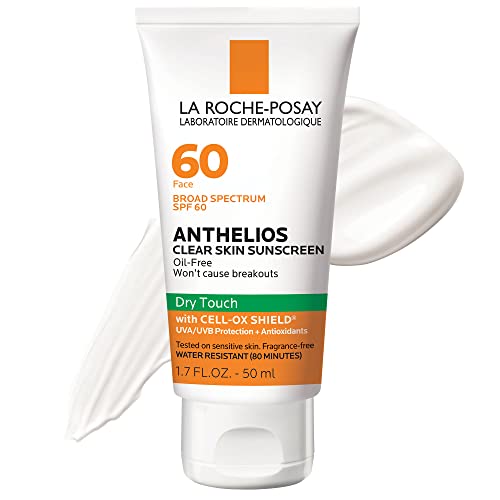 |
La Roche-Posay Clear Skin SPF 60 | High SPF 60 | Oil-free face formula | Acne-prone skin focus | View on Amazon | Read Review |
| Everyday Acne Shield | 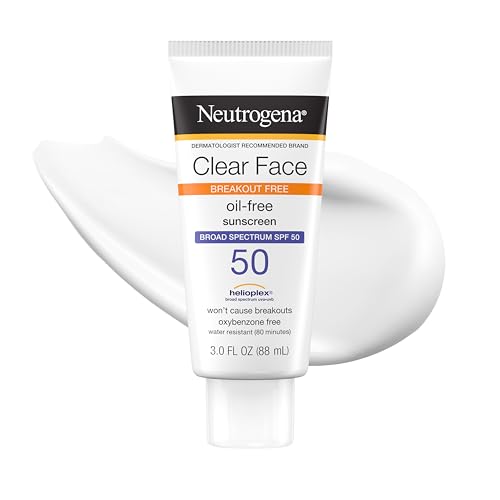 |
Neutrogena Clear Face SPF 50 | Strong SPF 50 | Face-focused formula | Generous 3-ounce size | View on Amazon | Read Review |
| Dry Touch Defender |  |
Eucerin Clear Skin SPF 50 | High SPF 50 | Clear Skin positioning | Useful facial size | View on Amazon | Read Review |
| Sensitive Skin Favorite |  |
EltaMD UV Clear Untinted SPF 46 | Untinted finish | Zinc oxide included | Sensitive-skin focus | View on Amazon | Read Review |
| Lower SPF Basic |  |
Neutrogena Clear Face SPF 30 | Clear Face formula | Straightforward SPF 30 | Large 3-ounce size | View on Amazon | Read Review |
| Mineral Barrier Pick | 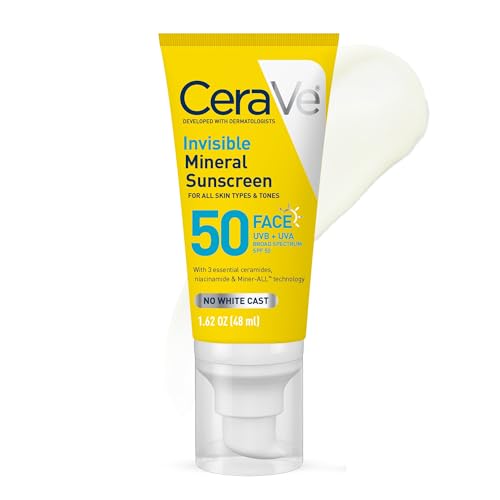 |
CeraVe Invisible Mineral SPF 50 | Mineral sunscreen format | High SPF 50 | Barrier-focused brand | View on Amazon | Read Review |
| Tinted Tone Helper | 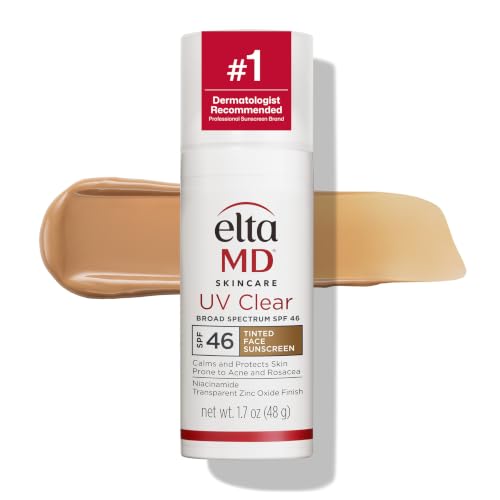 |
EltaMD UV Clear Tinted SPF 46 | Tinted facial finish | Zinc oxide included | Larger 1.7-ounce size | View on Amazon | Read Review |
| Full Size Classic |  |
EltaMD UV Clear Untinted SPF 46 | Full-size bottle | Untinted facial finish | Zinc oxide blend | View on Amazon | Read Review |
| Serum Texture Choice |  |
Kiehl's Better Screen SPF 50+ | Serum-style texture | SPF 50+ protection | Large 3.4-ounce size | View on Amazon | Read Review |
| Moisturizer Sunscreen Combo |  |
Differin Oil Absorbing SPF 30 | Moisturizer-sunscreen combo | Oil-absorbing format | Acne-prone skin focus | View on Amazon | Read Review |
More Details on Our Top Picks
-
La Roche-Posay Clear Skin SPF 60
If you want high SPF protection without a heavy facial sunscreen, this La Roche-Posay formula is a strong first choice. Its oil-free Clear Skin format suits acne-prone and combination skin, especially for daily outdoor exposure.
The main limitation is that oil-controlling formulas can feel drying on dehydrated skin. At 1.7 ounces, it is also a standard face-sunscreen size rather than a large value bottle.
- Brand:La Roche-Posay
- Product Type:Face sunscreen
- SPF:60
- Formula Type:Oil-free sunscreen
- Skin Type:Acne-prone skin
- Size:1.7 oz
- Additional Feature:Clear Skin formula
- Additional Feature:Face-specific application
- Additional Feature:High SPF protection
-
Neutrogena Clear Face SPF 50
Neutrogena’s Clear Face lotion makes sense for a daily acne-prone routine that needs dependable SPF 50 protection. The face-specific formula is designed to feel lighter than a traditional body sunscreen and comes in a generous 3-fluid-ounce size.
You may prefer a more moisturizing sunscreen if your skin is dry or sensitive. Its lotion texture can also require careful blending to avoid a noticeable finish on the face.
- Brand:Neutrogena
- Product Type:Face sunscreen
- SPF:50
- Formula Type:Sunscreen lotion
- Skin Type:Acne-prone skin
- Size:3 fl oz
- Additional Feature:Clear Face formula
- Additional Feature:Lotion format
- Additional Feature:Daily facial use
-
Eucerin Clear Skin SPF 50
Eucerin’s Clear Skin sunscreen is a practical pick for shoppers who want SPF 50 in a face formula aimed at blemish-prone skin. It offers a middle ground between a lightweight daily sunscreen and a heavier moisturizing lotion.
The 2.5-fluid-ounce size is useful for regular facial use, though it is smaller than Neutrogena’s 3-ounce option. If your skin is easily tight or flaky, a separate moisturizer may still be necessary.
- Brand:Eucerin
- Product Type:Face sunscreen
- SPF:50
- Formula Type:Sunscreen lotion
- Skin Type:Acne-prone skin
- Size:2.5 fl oz
- Additional Feature:Clear Skin formula
- Additional Feature:Face-use design
- Additional Feature:Lotion texture
-
EltaMD UV Clear Untinted SPF 46
This compact EltaMD option is well suited to sensitive, acne-prone skin and anyone who prefers an untinted finish. Its zinc oxide-based formula offers a mineral component while the UV Clear line is widely associated with lightweight facial wear.
The 0.5-ounce size is the clear trade-off. It fits easily into a bag, but frequent users will go through it faster than the larger EltaMD bottle.
- Brand:EltaMD
- Product Type:Face sunscreen
- SPF:46
- Formula Type:Zinc oxide blend
- Skin Type:Sensitive, acne-prone
- Size:0.5 oz
- Additional Feature:UV Clear formula
- Additional Feature:Untinted appearance
- Additional Feature:Compact travel size
-
Neutrogena Clear Face SPF 30
Choose this version if you want basic daily protection and prefer the familiar Clear Face line. Its SPF 30 rating can fit ordinary day-to-day errands, commuting, and other lower-exposure activities.
SPF 30 gives you less protection than the SPF 50 and SPF 60 options in this roundup. You may also want a separate moisturizer if your skin needs more hydration than a sunscreen lotion provides.
- Brand:Neutrogena
- Product Type:Face sunscreen
- SPF:30
- Formula Type:Sunscreen lotion
- Skin Type:Acne-prone skin
- Size:3 fl oz
- Additional Feature:Clear Face labeling
- Additional Feature:Lotion format
- Additional Feature:Daily facial use
-
CeraVe Invisible Mineral SPF 50
CeraVe’s Invisible Mineral sunscreen is a good match for you if you prefer mineral UV protection and want a product from a barrier-focused skincare brand. The SPF 50 rating provides stronger daily coverage than the SPF 30 options here.
Mineral formulas can still leave a cast on some skin tones, even when labeled invisible. The 1.7-ounce size is convenient for facial use, but it may not last long with generous daily application.
- Brand:CeraVe
- Product Type:Face sunscreen
- SPF:50
- Formula Type:Mineral sunscreen
- Skin Type:Acne-prone, sensitive
- Size:1.7 oz
- Additional Feature:Invisible mineral positioning
- Additional Feature:Face-specific formula
- Additional Feature:Zinc-based UV protection
-
EltaMD UV Clear Tinted SPF 46
The tinted EltaMD UV Clear version is a smart option when you want facial sun protection with help softening the look of white cast. Its zinc oxide-based formula is suited to people who favor an untinted alternative but still want a more even-looking finish.
Tint can improve appearance, but one shade will not match every complexion. The 1.7-ounce bottle is practical for routine use, though SPF 46 is slightly lower than the SPF 50 and SPF 60 choices.
- Brand:EltaMD
- Product Type:Face sunscreen
- SPF:46
- Formula Type:Tinted zinc oxide blend
- Skin Type:Sensitive, acne-prone
- Size:1.7 oz
- Additional Feature:UV Clear formula
- Additional Feature:Tinted appearance
- Additional Feature:Helps reduce white cast
-
EltaMD UV Clear Untinted SPF 46
This full-size untinted EltaMD is the better fit if you already like the UV Clear format and want more product than the compact 0.5-ounce version. It combines SPF 46 with a zinc oxide blend and a finish that does not add tint to your complexion.
An untinted mineral-containing formula can still show on deeper skin tones, depending on application and blending. Its larger size is convenient, but the lower SPF may matter if you spend long periods outdoors.
- Brand:EltaMD
- Product Type:Face sunscreen
- SPF:46
- Formula Type:Untinted zinc oxide blend
- Skin Type:Sensitive, acne-prone
- Size:1.7 oz
- Additional Feature:UV Clear formula
- Additional Feature:No added tint
- Additional Feature:Face-specific application
-
Kiehl's Better Screen SPF 50+
Kiehl’s Better Screen is aimed at you if a serum-style sunscreen sounds more appealing than a traditional lotion. Its SPF 50+ rating makes it a strong daily option for facial protection, particularly if you value a lighter skincare-like format.
A serum texture may not provide enough moisture for very dry skin on its own. It is also less specifically positioned for acne-prone skin than the Clear Face and Clear Skin products in this group.
- Brand:Kiehl's
- Product Type:Facial sunscreen serum
- SPF:50+
- Formula Type:Sunscreen serum
- Size:3.4 fl oz
- Additional Feature:Better Screen formula
- Additional Feature:Facial serum format
- Additional Feature:High SPF rating
-
Differin Oil Absorbing SPF 30
Differin’s option makes the most sense for you if you want moisturizer and sunscreen in one step. The oil-absorbing format is tailored to acne-prone routines, while SPF 30 supplies practical coverage for everyday use.
Its lower SPF is the main compromise compared with most products here. If you spend substantial time outdoors, you may prefer SPF 50 or higher and use a separate moisturizer when needed.
- Brand:Differin
- Product Type:Moisturizer with sunscreen
- SPF:30
- Formula Type:Oil-absorbing moisturizer
- Skin Type:Acne-prone, sensitive
- Size:4 oz
- Additional Feature:Oil-absorbing formula
- Additional Feature:Daily moisturizer step
- Additional Feature:Differin skincare line
Frequently Asked Questions
Can sunscreen clog pores and cause acne?
Sunscreen can contribute to congestion for some people, but many formulas are made for acne-prone skin and labeled non-comedogenic. Choose a lightweight product and avoid formulas that repeatedly leave your skin greasy or congested. Remove sunscreen thoroughly at night with a gentle cleanser. If breakouts begin after switching products, stop using the new formula and introduce another one after your skin settles.
Is mineral sunscreen better for acne-prone skin?
Not automatically. Mineral sunscreen can be a good choice for sensitive or reactive skin, but some products feel thick or leave a visible cast. Chemical and hybrid sunscreens can also work well for acne-prone skin, especially when they are fragrance-free, lightweight, and non-comedogenic. Your best option is the formula you can apply generously without irritation.
Does sunscreen help acne scars and dark spots?
Sunscreen does not remove acne scars, but daily UVA and UVB protection helps prevent dark marks from becoming deeper and lingering longer. This is especially useful if you have post-inflammatory hyperpigmentation. Apply sunscreen every morning and reapply during prolonged outdoor exposure. Pair it with proven products for dark marks if your dermatologist says they fit your routine.
How much sunscreen should I apply to my face?
Use about two finger lengths of sunscreen for your face and neck, or roughly a quarter teaspoon for both areas. Apply it as the final skincare step before makeup. Give the product a few minutes to set before layering makeup. Reapply about every two hours outdoors, and sooner after sweating, swimming, or wiping your face.
Can I wear acne medication under sunscreen?
Yes, sunscreen generally works well with common acne treatments, including benzoyl peroxide, adapalene, and prescription retinoids. Apply medication as directed, then use moisturizer if needed, followed by sunscreen in the morning. Acne treatments can make skin more sensitive, dry, or prone to irritation. Choose a fragrance-free sunscreen, avoid stacking too many irritating products, and ask a dermatologist about persistent burning or severe peeling.
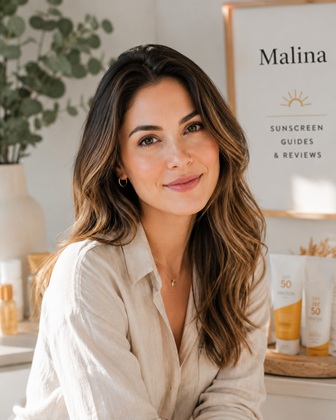
I’m Malina, and I’ve always believed that healthy skin starts with good protection. My interest in skincare began years ago after struggling to find sunscreens that actually lived up to their claims. I spent countless hours learning about UV protection, ingredients, skin types, and how different formulas perform in real-life conditions—not just in a lab.
That passion eventually became Sunscreens Insider, a place where I share honest reviews, practical buying guides, and straightforward advice to help people choose the right sunscreen with confidence. From mineral and chemical formulas to options for sensitive, oily, dry, and acne-prone skin, I personally research and evaluate every product before recommending it. My goal isn’t to chase trends or promote the most expensive brands—it’s to provide reliable, easy-to-understand information based on careful testing and evidence. If my reviews help you protect your skin and make a smarter purchase, then I’ve accomplished exactly what I set out to do.


