
When it comes to skincare routines, one of the most common questions is, “What goes first, sunscreen or moisturizer?” Understanding the correct order of application can dramatically influence the effectiveness of your products and the overall health of your skin. This article will delve into the nuances of skincare layering, providing you with the insights you need to create an effective routine.
The Importance of Layering in Skincare
Layering your skincare products correctly is essential for achieving optimal results. Each product is formulated to penetrate the skin in specific ways, and applying them in the right order ensures that each one works effectively. The general rule of thumb is to apply products from the thinnest to the thickest consistency. This principle helps to enhance absorption and efficacy.
Understanding Moisturizers
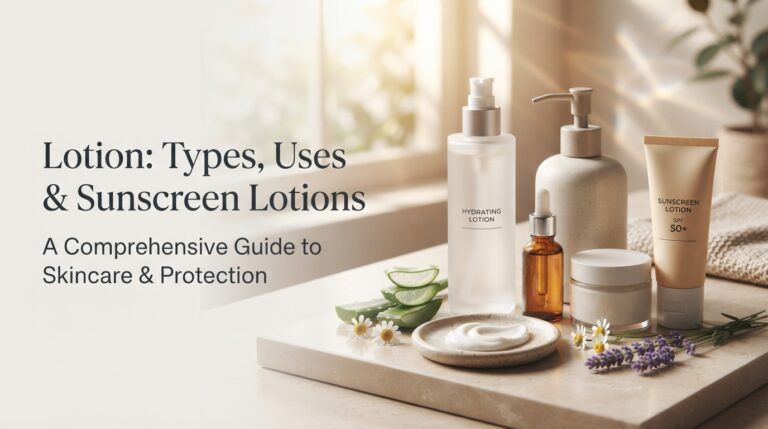
Moisturizers are designed to hydrate the skin and lock in moisture. They come in various forms, including creams, lotions, gels, and oils. Each type has its unique benefits:
- Creams: Thick and rich, ideal for dry skin.
- Lotions: Lightweight, suitable for normal to combination skin.
- Gels: Oil-free and refreshing, perfect for oily or acne-prone skin.
- Oils: Great for sealing in moisture and providing extra nourishment.
Moisturizers work by forming a barrier on the skin’s surface to prevent water loss and keep the skin hydrated. They are typically packed with emollients, humectants, and occlusives, which all play a role in maintaining skin health.
Understanding Sunscreens
Sunscreens, on the other hand, are essential for protecting the skin from harmful UV rays. They come in two main types:
- Physical (or Mineral) Sunscreens: Contain ingredients like zinc oxide or titanium dioxide that sit on the skin’s surface and reflect UV rays.
- Chemical Sunscreens: Absorb UV radiation through their chemical ingredients, converting it into heat, which is then released from the skin.
Using sunscreen daily can help prevent skin cancer, sunburn, and premature aging, making it a crucial step in any skincare routine.
What Goes First: Sunscreen or Moisturizer?
Now that we understand the roles of both moisturizers and sunscreens, the question remains: what goes first, sunscreen or moisturizer? The answer is fairly straightforward: you should apply moisturizer first and then sunscreen. Here’s why:
1. Hydration Comes First
Your skin needs hydration to maintain its barrier function and overall health. By applying moisturizer first, you provide your skin with the necessary hydration it craves. This hydration helps to create a plump, smooth canvas for the sunscreen.
2. Sunscreen Needs to Be on Top
Sunscreen acts as a protective barrier against UV rays. If you apply it over moisturizer, it can still function effectively. However, if you apply sunscreen first, the moisturizer may dilute its protective properties, reducing its effectiveness.
How to Layer Your Products
To ensure maximum effectiveness, here’s a simple step-by-step guide on how to layer your skincare products:
- Cleanser: Start with a clean face to remove dirt, oil, and impurities.
- Toner (optional): If you use a toner, apply it next to help balance the skin’s pH levels.
- Serum: Apply any serums you use for targeted treatments, such as anti-aging or brightening effects.
- Moisturizer: Layer on your moisturizer to hydrate and nourish your skin.
- Sunscreen: Finish with sunscreen to protect your skin from sun damage.
Tips for Choosing the Right Products
Choosing the right moisturizer and sunscreen is crucial for maximizing your skincare routine. Here are some tips:
- Skin Type: Consider your skin type when selecting products. For oily skin, opt for lightweight, oil-free moisturizers and gel-based sunscreens. For dry skin, thicker creams may be more beneficial.
- SPF Rating: Choose a broad-spectrum sunscreen with at least SPF 30 for adequate protection.
- Non-Comedogenic: If you are prone to acne, look for non-comedogenic products that won’t clog your pores.
- Ingredients: Check the ingredient lists for potential allergens or irritants, especially if you have sensitive skin.
Common Myths About Sunscreen and Moisturizer
There are several misconceptions surrounding sunscreen and moisturizer that can lead to ineffective skincare routines. Let’s debunk some of the most common myths:
Myth 1: I Don’t Need Sunscreen on Cloudy Days
Many people believe that UV rays are only present on sunny days. In reality, up to 80% of UV rays can penetrate clouds, making sunscreen essential every day.
Myth 2: Moisturizer Alone is Enough for Sun Protection
While some moisturizers contain SPF, they usually do not provide sufficient protection on their own. It’s best to use a dedicated sunscreen for optimal UV protection.
Myth 3: Sunscreen is Only for Summer
UV rays can damage your skin year-round, so applying sunscreen in the winter is just as important as in the summer.
Conclusion
In conclusion, the correct order of application in your skincare routine is to apply moisturizer first and then follow up with sunscreen. By understanding the roles of each product and how they work together, you can enhance the effectiveness of your skincare routine and protect your skin from damage. Remember to choose products suited to your skin type and needs, and don’t forget to apply sunscreen daily, regardless of the weather. Following these guidelines will help you achieve healthy, glowing skin that is well-protected and hydrated.

I’m James Wilson, and I’ve always believed that the best skincare advice comes from research, real-world experience, and honest recommendations—not marketing claims. Over the years, I developed a strong interest in understanding how sunscreens work, comparing ingredients, SPF ratings, and formulas to find products that truly protect the skin.
Through SunscreensInsider.com, I share in-depth sunscreen buying guides, product reviews, and practical advice to help readers choose the right sun protection for their skin type, lifestyle, and budget. Every recommendation is backed by careful research, ingredient analysis, expert insights, and real user experiences whenever possible. My goal is simple: to make sunscreen shopping easier by providing clear, unbiased information that helps people protect their skin with confidence.