


Some products sold beside sunscreen are not sunscreens at all: they are intended for skin after sun exposure, and they cannot prevent another burn. That distinction matters because damaged skin has different needs from healthy skin.
Searching for the best sunscreens for burn victims means separating daily UV protection from after-sun care, then checking claims with a careful eye. The comparison ahead keeps those roles clear, so you can judge what belongs in your routine.
Key Takeaways
- Choose broad-spectrum SPF 30 or higher for regular UV protection, and favor SPF 50 if you burn easily or spend extended time outdoors.
- Avoid applying sunscreen to blistered, raw, or actively peeling skin unless a healthcare professional says it is appropriate.
- Select fragrance-free, alcohol-free formulas if your skin is tender, reactive, or prone to stinging after sun exposure.
- Consider zinc oxide or titanium dioxide when chemical filters irritate you, but check the label for complete broad-spectrum coverage.
- Verify the expiration date and water-resistance claim, then reapply at least every two hours and after swimming or heavy sweating.
| Aloe Aftercare |  |
terrasil After Sun Lotion 3oz | Aloe vera formula | Compact 3-ounce size | Tropical scent | View on Amazon | Read Review |
More Details on Our Top Picks
-
terrasil After Sun Lotion 3oz
If you need post-sun comfort rather than UV protection, this lotion is a practical pick. Its aloe vera formula is designed for after-sun care, while the 3-ounce size is convenient for travel or a beach bag.
The tropical scent gives it a more pleasant feel than an unscented recovery lotion, though fragrance may not suit very sensitive or irritated skin. This product is not a sunscreen and should not be applied as a substitute for medical care on severe burns, blistering, or damaged skin.
- Brand:terrasil
- Product Type:After-sun lotion
- Size:3 ounces
- Scent:Tropical
- Additional Feature:Aloe vera
- Additional Feature:After-sun care
- Additional Feature:Travel-friendly size
Frequently Asked Questions
Can You Put Sunscreen On A Fresh Burn?
No. Do not apply sunscreen to open, blistered, peeling, or draining skin unless your burn-care team specifically directs you to do so. These areas may require medical treatment, sterile dressings, or prescription products. After the skin has fully closed, ask your clinician about sunscreen and begin with a gentle mineral formula if approved. Seek medical advice if redness, swelling, drainage, worsening pain, or fever develops.
What SPF Is Best For Burn Scars?
Choose a broad-spectrum SPF 30 or higher, with SPF 50 often preferred for highly sensitive scars and grafts. A high SPF does not allow unlimited sun exposure, so continue using clothing and shade. Apply enough to cover the area thoroughly and reapply every two hours outdoors. Scars can darken or remain discolored after sun exposure, even when they do not visibly burn.
Are Mineral Sunscreens Safer For Burned Skin?
Mineral formulas with zinc oxide or titanium dioxide are often well suited to sensitive, healed skin because they tend to cause less stinging. They are not automatically safe for every person, so check the ingredient list and follow your clinician's advice. Choose fragrance-free products without exfoliating acids or unnecessary botanicals. Stop using the sunscreen if it causes persistent burning, rash, swelling, or itching, and contact a healthcare professional if symptoms continue.
Should You Patch-Test Sunscreen On A Scar?
If your clinician approves, apply a small amount to a healed, intact area near the scar and watch it for 24 to 48 hours. Do not patch-test on open skin, newly grafted skin, or an area that is still tender or inflamed. A patch test can reveal irritation, but it cannot guarantee that a product will suit the entire scar. Introduce one new product at a time and stop if you notice rash, swelling, or increased discomfort.
Can Clothing Replace Sunscreen On Burn Scars?
Clothing provides valuable protection, but exposed areas still need broad-spectrum sunscreen. Look for tightly woven or UPF-rated garments, and make sure the fabric does not rub against sensitive scars. Use clothing, shade, and sunscreen together for longer outdoor periods. Reapply after swimming, sweating, or toweling off, even if you remain covered for much of the day.
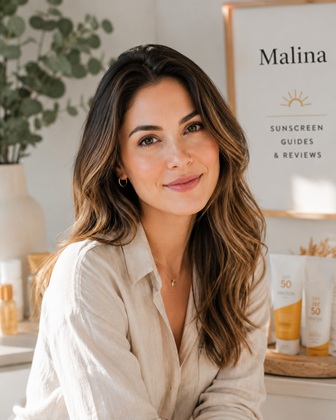
I’m Malina, and I’ve always believed that healthy skin starts with good protection. My interest in skincare began years ago after struggling to find sunscreens that actually lived up to their claims. I spent countless hours learning about UV protection, ingredients, skin types, and how different formulas perform in real-life conditions—not just in a lab.
That passion eventually became Sunscreens Insider, a place where I share honest reviews, practical buying guides, and straightforward advice to help people choose the right sunscreen with confidence. From mineral and chemical formulas to options for sensitive, oily, dry, and acne-prone skin, I personally research and evaluate every product before recommending it. My goal isn’t to chase trends or promote the most expensive brands—it’s to provide reliable, easy-to-understand information based on careful testing and evidence. If my reviews help you protect your skin and make a smarter purchase, then I’ve accomplished exactly what I set out to do.


