


At 8:10 a.m., you smooth sunscreen over your cheeks before commuting, then notice your forehead already looks shiny while your jaw feels tight. That split personality is the daily puzzle of combination skin.
The best sunscreens for face combination skin should feel comfortable across those changing zones. This roundup brings ten formulas into one comparison, with the practical details arranged to help you sort through them quickly.
Key Takeaways
- Choose broad-spectrum SPF 30 or higher for daily facial protection, and consider SPF 50 or above for extended outdoor exposure.
- Match the formula to your skin’s behavior, choosing lightweight or oil-free textures for shine-prone areas.
- Look for non-comedogenic labeling if clogged pores or blemishes are a regular concern.
- Check the active filters, since mineral and chemical sunscreens can differ in finish, feel, and white-cast potential.
- Prioritize a formula you will reapply, with water resistance and portable packaging helping during exercise, travel, or long outdoor days.
| Oil-Control Favorite | 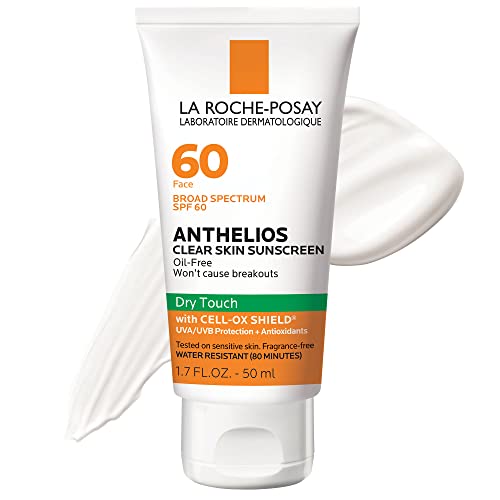 |
La Roche-Posay Clear Skin SPF 60 | High SPF protection | Oil-free face formula | Suits blemish-prone skin | View on Amazon | Read Review |
| Everyday Acne Defender | 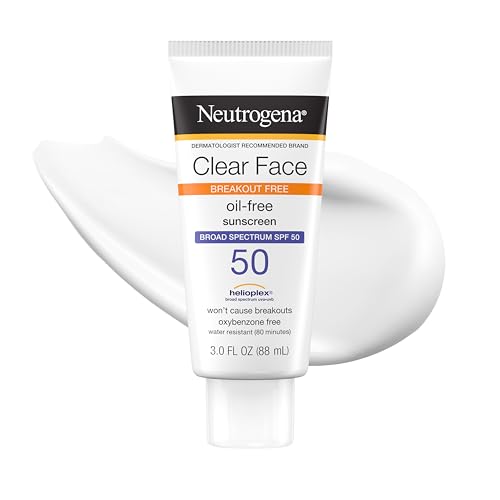 |
Neutrogena Clear Face SPF 50 | Strong daily SPF | Oil-free face lotion | Acne-prone skin focus | View on Amazon | Read Review |
| Lightweight Barrier Support |  |
CeraVe Ultra-Light Lotion SPF 30 | Very light texture | Moisturizing daily formula | Combination-skin friendly | View on Amazon | Read Review |
| Sheer Mineral Pick | 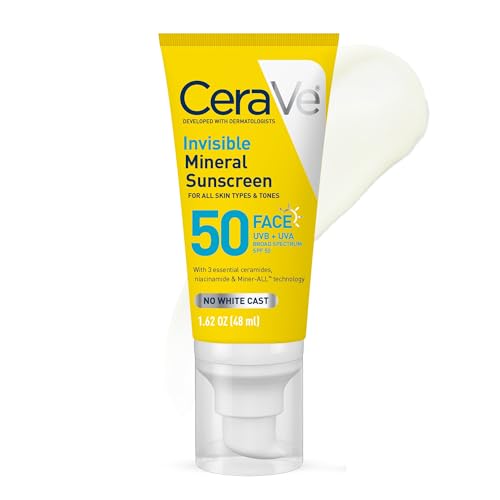 |
CeraVe Invisible Mineral SPF 50 | Mineral sunscreen format | High SPF protection | Invisible finish positioning | View on Amazon | Read Review |
| Shine-Prone Specialist |  |
Eucerin Clear Skin SPF 50 | High SPF coverage | Clear-skin positioning | Suits oily T-zones | View on Amazon | Read Review |
| Blemish-Prone Premium | 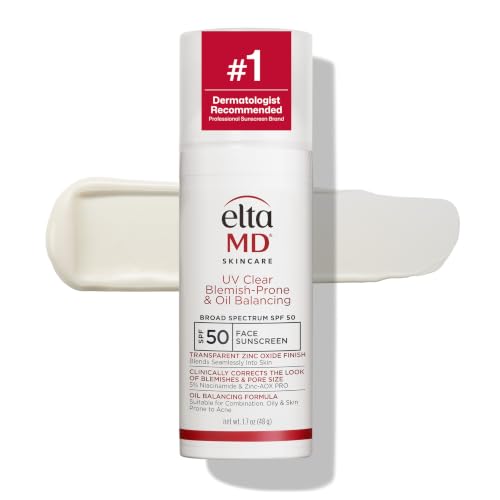 |
EltaMD UV Clear SPF 50 | Oil-balancing focus | High SPF protection | Untinted face formula | View on Amazon | Read Review |
| Fluid Texture Favorite |  |
BYOMA Ultralight Face Fluid SPF 50 | Ultralight fluid texture | High SPF protection | Easy layering potential | View on Amazon | Read Review |
| Moisturizing SPF Cream |  |
E.L.F. Holy Hydration SPF 30 | Moisturizer and sunscreen | Helpful for dry cheeks | Simple morning routine | View on Amazon | Read Review |
| Matte Moisturizer Choice |  |
La Roche-Posay Matte SPF 30 | Matte daily finish | Moisturizer-sunscreen hybrid | Larger face format | View on Amazon | Read Review |
| Portable Reapplication | 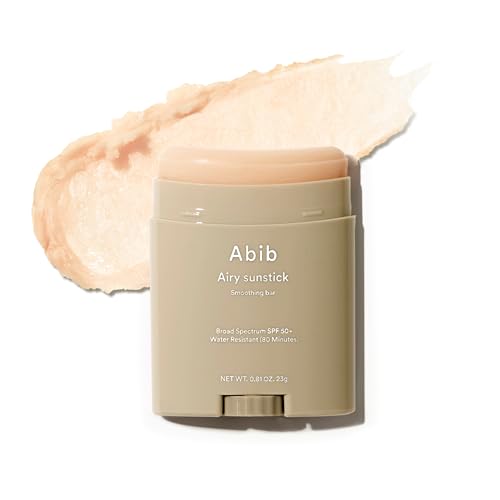 |
Abib Airy Sunstick SPF 50+ | Easy portable format | Semi-matte finish | Water-resistant design | View on Amazon | Read Review |
More Details on Our Top Picks
-
La Roche-Posay Clear Skin SPF 60
If your combination skin gets shiny through the T-zone, this is a strong first pick. The SPF 60 protection, oil-free formula, and clear-skin positioning make it well suited to daily use on blemish-prone skin.
Its face-friendly format should sit comfortably under makeup, while the higher SPF gives you extra protection for long outdoor days. The tradeoff is that an oil-control formula can feel drying on the cheeks, especially if your skin is dehydrated.
- Brand:La Roche-Posay
- SPF:60
- Size:1.7 ounces
- Format:Face lotion
- Finish:Oil-controlling
- Additional Feature:Broad-spectrum facial sunscreen
- Additional Feature:Oil-free formula
- Additional Feature:Clear-skin focused
-
Neutrogena Clear Face SPF 50
Neutrogena’s Clear Face lotion is a practical choice for combination skin that tends to break out. Its SPF 50 protection and oil-free, face-focused design make it easy to add to a daily routine.
You get a familiar lotion format with broad appeal for shine-prone areas. It may feel less comfortable on dry patches than a more moisturizing sunscreen, so apply moisturizer underneath where needed.
- Brand:Neutrogena
- SPF:50
- Size:3 fluid ounces
- Format:Face lotion
- Finish:Non-greasy
- Additional Feature:Clear-face formula
- Additional Feature:Oil-free design
- Additional Feature:Broad-spectrum protection
-
CeraVe Ultra-Light Lotion SPF 30
Choose this CeraVe lotion if you want sunscreen with a light moisturizing feel. The ultra-light texture, SPF 30 coverage, and familiar barrier-care approach work well for combination skin that needs comfort without a heavy cream.
It is especially appealing for everyday errands, office days, and cooler weather. The main limitation is the lower SPF 30 rating, which gives you less protection than the SPF 50 and SPF 60 options in this roundup.
- Brand:CeraVe
- SPF:30
- Size:1.7 ounces
- Format:Moisturizing lotion
- Finish:Ultra-light
- Additional Feature:Facial sunscreen
- Additional Feature:Barrier-supporting care
- Additional Feature:Daily moisturizer format
-
CeraVe Invisible Mineral SPF 50
For shoppers who prefer mineral filters, this CeraVe sunscreen offers SPF 50 protection in a face-specific formula. Its invisible positioning is useful for combination skin if you want to avoid a noticeably chalky finish.
Mineral sunscreen can be a smart choice for sensitive routines, and the compact size suits daily facial use. Still, mineral formulas may feel thicker or less fluid than chemical lotions, particularly across an oily T-zone.
- Brand:CeraVe
- SPF:50
- Size:1.7 ounces
- Format:Mineral lotion
- Finish:Invisible
- Additional Feature:Face-specific sunscreen
- Additional Feature:Zinc oxide formula
- Additional Feature:Titanium dioxide formula
-
Eucerin Clear Skin SPF 50
Eucerin’s Clear Skin sunscreen targets the exact concerns that make combination skin difficult: facial oil and occasional breakouts. The SPF 50 rating gives it a useful edge for daily outdoor exposure, while the clear-skin focus keeps the formula relevant to blemish-prone users.
This is a good match if your forehead and nose become slick by midday. The likely compromise is a less emollient feel, which may leave dry cheek areas wanting a separate moisturizer.
- Brand:Eucerin
- SPF:50
- Size:2.5 fluid ounces
- Format:Face lotion
- Finish:Clear-skin formula
- Additional Feature:Facial sunscreen
- Additional Feature:Oil-control focus
- Additional Feature:Blemish-prone skin focus
-
EltaMD UV Clear SPF 50
EltaMD UV Clear is worth considering when combination skin also shows blemishes or sensitivity. Its oil-balancing focus, untinted format, and SPF 50 protection make it a polished daily option for users who want a lighter facial sunscreen.
The untinted finish is convenient if you prefer no added color beneath makeup. Its limitation is that untinted formulas can still show on some deeper skin tones or look less forgiving over dry, flaky areas.
- Brand:EltaMD
- SPF:50
- Size:1.7 ounces
- Format:Facial lotion
- Finish:Untinted
- Additional Feature:Blemish-prone skin focus
- Additional Feature:Oil-balancing formula
- Additional Feature:Broad-spectrum sunscreen
-
BYOMA Ultralight Face Fluid SPF 50
BYOMA’s ultralight fluid is a strong fit if you dislike the weight of traditional sunscreen lotions. The fluid texture and SPF 50 protection should suit combination skin, especially when you want a product that layers easily with skincare.
Its compact face format is convenient for everyday application and reapplication. The honest drawback is that very light fluids may feel less moisturizing on dry cheeks, so pair it with a targeted moisturizer if needed.
- Brand:BYOMA
- SPF:50
- Size:Not specified
- Format:Face fluid
- Finish:Ultralight
- Additional Feature:Facial sunscreen
- Additional Feature:Fluid lotion format
- Additional Feature:Barrier-care brand positioning
-
E.L.F. Holy Hydration SPF 30
This E.L.F. option suits combination skin that leans dry around the cheeks but still needs daily sun protection. It combines SPF 30 with a face cream format, making it a convenient morning moisturizer and sunscreen in one step.
The richer format can help prevent tightness and flaking during colder months. If your T-zone becomes oily quickly, the cream texture may feel heavy, particularly under makeup or in humid weather.
- Brand:E.L.F.
- SPF:30
- Size:1.7 ounces
- Format:Face cream
- Finish:Moisturizing
- Additional Feature:Broad-spectrum protection
- Additional Feature:Hydrating face cream
- Additional Feature:Daily moisturizer format
-
La Roche-Posay Matte SPF 30
La Roche-Posay’s Toleriane formula is aimed at combination skin that wants hydration without a visibly shiny finish. Its matte moisturizer format, SPF 30 protection, and face-specific design make it a practical option for daily office or casual wear.
The larger tube can work well if you want a moisturizer-sunscreen hybrid for regular use. Its main weakness is the SPF 30 ceiling, plus a matte finish that may emphasize dry texture on the cheeks.
- Brand:La Roche-Posay
- SPF:30
- Size:3.38 fluid ounces
- Format:Face moisturizer
- Finish:Matte
- Additional Feature:Toleriane skincare line
- Additional Feature:Double-repair positioning
- Additional Feature:Facial sunscreen
-
Abib Airy Sunstick SPF 50+
Abib’s sunstick is the most convenient choice here for on-the-go reapplication. The SPF 50+ rating, semi-matte finish, and oily-and-combination-skin positioning make it especially useful over makeup or during travel.
Its solid bar format avoids the mess of a liquid, while the listed water resistance adds appeal for active days. The limitation is that sticks can encourage uneven coverage if you swipe too lightly, so use generous, repeated passes.
- Brand:Abib
- SPF:50+
- Size:0.81 ounces
- Format:Sunscreen stick
- Finish:Semi-matte
- Water Resistance:Yes
- Additional Feature:Broad-spectrum protection
- Additional Feature:No-white-cast positioning
- Additional Feature:Oily-skin focus
Frequently Asked Questions
What SPF is best for combination skin?
Choose broad-spectrum SPF 30 or higher for daily use. SPF 50 may suit you better if you spend a lot of time outdoors, have a history of sun damage, or want extra protection against dark spots. Your skin type affects texture and finish, not the basic need for UV protection. Apply enough sunscreen and reapply regularly, since a high SPF cannot compensate for using too little.
Should you use a gel or cream sunscreen on combination skin?
A gel or fluid sunscreen often works well on oily areas because it feels light and leaves less surface shine. A lotion or gel-cream may be preferable if your cheeks become dry or tight. You can also adjust your moisturizer by zone, using less beneath sunscreen on the T-zone and more on dry areas. This approach helps prevent both excess oil and uncomfortable dryness.
Is mineral or chemical sunscreen better for combination skin?
Neither type is automatically better for combination skin. Mineral formulas with zinc oxide may appeal to sensitive skin, while chemical formulas often provide a lighter cosmetic finish with less visible residue. Choose the formula you will apply generously and reapply consistently. If a product stings, pills, or leaves a finish you dislike, another filter combination may suit you better.
Can you wear face sunscreen under makeup?
Yes. Select a sunscreen labeled makeup-friendly, fast-absorbing, or non-pilling, and let it settle for a few minutes before applying foundation. Applying skincare in thin layers can also reduce rolling or patchiness. A natural or soft-matte finish usually works well beneath makeup. If your skin becomes shiny, press on a small amount of translucent powder instead of adding more layers of sunscreen.
How do you stop sunscreen from making combination skin oily?
Start with a light moisturizer, using it mainly on dry areas, then apply a thin but complete layer of sunscreen. Choose oil-free, non-greasy, or soft-matte formulas and allow each layer to set before adding makeup. Blotting papers can reduce midday shine without disturbing as much product as rubbing with a tissue. Do not skip sunscreen to control oil, since consistent UV protection remains essential for every skin type.
I’m Malina, and I’ve always believed that healthy skin starts with good protection. My interest in skincare began years ago after struggling to find sunscreens that actually lived up to their claims. I spent countless hours learning about UV protection, ingredients, skin types, and how different formulas perform in real-life conditions—not just in a lab.
That passion eventually became Sunscreens Insider, a place where I share honest reviews, practical buying guides, and straightforward advice to help people choose the right sunscreen with confidence. From mineral and chemical formulas to options for sensitive, oily, dry, and acne-prone skin, I personally research and evaluate every product before recommending it. My goal isn’t to chase trends or promote the most expensive brands—it’s to provide reliable, easy-to-understand information based on careful testing and evidence. If my reviews help you protect your skin and make a smarter purchase, then I’ve accomplished exactly what I set out to do.


