


A good mountaineering sun-care pick earns trust through reliable UV protection that holds up under intense exposure, sweat, wind, and reflected light. A weak one may feel pleasant at base camp but leave gaps when the route turns higher and harsher.
This roundup compares the best sunscreens for mountaineering, including facial formulas and protective accessories suited to exposed alpine conditions. Keep reading to see which specifications deserve the most attention.
Key Takeaways
- Choose broad-spectrum SPF 30 or higher, with SPF 50 preferable for high-altitude routes and strong reflected sunlight.
- Prioritize water- and sweat-resistant protection if your route involves exertion, heat, snow, or frequent weather changes.
- Check the application format, since creams and sticks suit exposed skin while gloves, hats, and capes protect larger areas.
- For sensitive skin, look for mineral zinc oxide and avoid formulas containing ingredients you already know irritate you.
- Plan to reapply regularly, especially after heavy sweating, wiping your face, or extended exposure above tree line.
| Trailside Cooling Aid |  |
Golf UV Face Patches, Five-Piece | Five-piece format | Cooling gel design | Useful for outdoor sports | View on Amazon | Read Review |
| Sensitive Skin Cream |  |
Beef Tallow Sunscreen, SPF 50 | SPF 50 mineral protection | Moisturizing ingredient blend | Suitable for sensitive skin | View on Amazon | Read Review |
| Refreshment-Focused Patch |  |
Golf UV Face Patches, Hydrating Gel | Hydrating gel format | Targeted facial use | Lightweight patch concept | View on Amazon | Read Review |
| Compact Face Lotion |  |
Facial Sunblock Lotion, 60ml | Dedicated facial formula | Compact 60ml size | Simple packable format | View on Amazon | Read Review |
| Hand Coverage Specialist |  |
SLIUGLOVEUN Sunscreen Gloves, UPF50+ | UPF50+ protection | Touchscreen compatible | Useful for mountaineering | View on Amazon | Read Review |
| GPS-Friendly Handwear |  |
SLIUGLOVEUN Sun Gloves, UPF50+ | Touchscreen-friendly design | UPF50+ rating | Broad outdoor use | View on Amazon | Read Review |
| Daypack Face Cream |  |
Facial Sunblock Cream, 60ml | Compact 60ml format | Intended for facial use | Easy to pack | View on Amazon | Read Review |
| Minimalist Alpine Option |  |
Outdoor Mountaineering Sunscreen | Marketed for mountaineering | Summer outdoor focus | Broad activity positioning | View on Amazon | Read Review |
| Ventilated Head Coverage | Foldable Sun Hat, Fishing Net | Foldable design | Attached face net | Covers head and neck | View on Amazon | Read Review | |
| Full-Body Shade Layer |  |
Cooling Sun Cape, Hooded Shawl | Hooded coverage | Long cape design | Cooling shawl format | View on Amazon | Read Review |
More Details on Our Top Picks
-
Golf UV Face Patches, Five-Piece
For climbers who want a hands-free face covering, these gel-style UV patches offer a compact option for exposed areas during mountain climbing, cycling, or golf. The five-piece format is easy to pack, while the hydrating design may feel refreshing during hot, sunny outings.
The main drawback is the lack of stated SPF, UPF, or coverage details. Treat these patches as a supplemental layer, not a replacement for sunscreen, sunglasses, and a wide-brimmed hat.
- Product Type:UV face patches
- Count:Five pieces
- Additional Feature:Hydrating gel face mask
- Additional Feature:Designed for mountain climbing
- Additional Feature:Suitable for cycling and golf
-
Beef Tallow Sunscreen, SPF 50
This mineral sunscreen suits mountaineers seeking SPF 50 facial and body protection with a skin-conditioning formula. Zinc oxide provides the listed mineral filter, while hyaluronic acid, centella, avocado, and grass-fed beef tallow are aimed at moisturizing and calming dry or sensitive skin.
You get a smaller 60g size, which is convenient for a summit pack but may require careful application on long trips. The listing does not state water resistance or broad-spectrum wording, so confirm those details before relying on it for extended alpine exposure.
- Product Type:Mineral sunscreen
- Size:60g
- UV Rating:SPF 50
- Additional Feature:Zinc oxide filter
- Additional Feature:Contains hyaluronic acid
- Additional Feature:Includes centella and avocado
-
Golf UV Face Patches, Hydrating Gel
Choose this option if you prefer targeted facial coverage instead of adding another cream to your routine. Its hydrating gel format is positioned for outdoor sports, making it potentially useful on exposed cheeks or other areas during cycling and mountain climbing.
The listing does not provide a measured UV rating or material specification, which limits how confidently you can assess protection. Use it alongside a properly rated sunscreen, especially above the tree line where reflected sunlight can be intense.
- Product Type:UV face patches
- Count:Five pieces
- Additional Feature:Designed for mountain climbing
- Additional Feature:Suitable for cycling
- Additional Feature:Intended for golf use
-
Facial Sunblock Lotion, 60ml
This is a straightforward pick for keeping facial sunblock in your daypack. The 60ml bottle size should suit short hikes or summit days when you want a dedicated face product rather than a large body-sunscreen container.
Its limitation is the sparse listing: no SPF, broad-spectrum claim, water-resistance rating, or ingredient information is provided. For serious mountaineering, verify the protection level before making it your primary sunscreen.
- Product Type:Facial sunblock lotion
- Size:60ml
- Additional Feature:Intended for facial use
- Additional Feature:Lotion format
- Additional Feature:Designed for sun protection
-
SLIUGLOVEUN Sunscreen Gloves, UPF50+
These gloves are best for climbers and outdoor workers who need continuous hand and arm coverage while driving, fishing, cycling, gardening, or mountaineering. The stated UPF50+ rating is the key advantage, and touchscreen compatibility helps you use a phone or GPS without removing them.
They protect covered skin, not your face, neck, or the backs of exposed fingers if the design leaves them open. The listing does not state the fabric composition or glove length, so check the fit and coverage before ordering.
- Brand:SLIUGLOVEUN
- Product Type:Sunscreen gloves
- UV Rating:UPF50+
- Additional Feature:Designed for outdoor driving
- Additional Feature:Suitable for cycling and fishing
- Additional Feature:Intended for gardening
-
SLIUGLOVEUN Sun Gloves, UPF50+
If you use a phone, camera, or GPS frequently, these touchscreen-compatible gloves offer a practical way to keep your hands covered. Their UPF50+ designation makes them relevant for long days spent cycling, riding, fishing, or climbing.
As with any partial glove, protection depends on how much skin the design covers. The available listing does not identify the material, cuff length, or whether the fingers are fully enclosed, so review those details for alpine use.
- Brand:SLIUGLOVEUN
- Product Type:UV protection gloves
- UV Rating:UPF50+
- Additional Feature:Suitable for riding
- Additional Feature:Designed for mountaineering
- Additional Feature:Covers hands and arms
-
Facial Sunblock Cream, 60ml
This facial cream is aimed at you if you want a small, dedicated sunblock for short climbs and active days. Its 60ml format should be easy to carry in a toiletry pouch or side pocket without taking much room.
The product page gives no stated SPF, UV filter, water resistance, or skin-type guidance. That missing information is a serious consideration for mountaineering, where you need dependable protection rather than a vague sun-care label.
- Product Type:Facial sunblock cream
- Size:60ml
- Additional Feature:Cream-based formula
- Additional Feature:Designed for sun protection
- Additional Feature:Suitable for face application
-
Outdoor Mountaineering Sunscreen
This broadly named product targets summer outdoor activities, including mountaineering and jungle travel. It may appeal to you if you want a general sun-care option without a specialized accessory such as a glove, patch, or cape.
The listing provides no SPF, size, formula type, or water-resistance information. That makes it difficult to judge suitability for high-altitude exposure, so confirm the product’s protection claims before taking it on a serious climb.
- Product Type:Outdoor sunscreen
- Additional Feature:Intended for jungle outings
- Additional Feature:Designed for summer use
- Additional Feature:Suitable for outdoor activities
-
Foldable Sun Hat, Fishing Net
This hat is a strong accessory choice for mountaineers who want head and neck coverage without carrying a rigid brimmed hat. The foldable construction is pack-friendly, while the attached net is intended to add coverage around the face and neck during fishing or outdoor travel.
A hat cannot replace sunscreen on exposed skin, and the listing does not provide a UPF rating or material details. The net may also be less convenient in windy, technical terrain, so consider how it will work with your helmet and other climbing gear.
- Product Type:Sun protection hat
- Additional Feature:Designed for fishing
- Additional Feature:Suitable for mountaineering
- Additional Feature:Includes a protective net
-
Cooling Sun Cape, Hooded Shawl
This cape suits you if you prefer wearable shade over applying sunscreen repeatedly to every exposed area. Its long, hooded design is intended to cover the head, shoulders, and upper body while the cooling shawl format adds a lightweight-feeling layer for hot outdoor conditions.
The listing does not state a UPF rating, fabric, or exact coverage dimensions. It may also catch wind on exposed ridges, so pair it with secure clothing and rated sunscreen rather than treating it as your only defense.
- Product Type:Sun protection cape
- Additional Feature:Includes a long hood
- Additional Feature:Designed for outdoor use
- Additional Feature:Provides cooling coverage
Frequently Asked Questions
Is SPF 50 enough for mountaineering?
SPF 50 is a strong baseline, provided the sunscreen is broad spectrum and applied generously. High altitude and snow reflection increase exposure, so SPF alone does not remove the need for careful coverage. Use a hat, sunglasses, goggles, and protective clothing alongside sunscreen. Reapply every two hours and sooner after sweating or wiping your face.
Should I use mineral or chemical sunscreen in the mountains?
Either type can work, but mineral formulas with zinc oxide are often preferred for sensitive skin and immediate surface protection. Chemical formulas may feel lighter and leave less residue beneath goggles. Choose the formula you will apply generously and reapply consistently. A sunscreen that irritates your skin or freezes into a hard paste is a poor choice, regardless of its active ingredients.
How often should I reapply sunscreen while climbing?
Reapply at least every two hours during exposure, and sooner after heavy sweating, contact with snow, towel drying, or wiping your face. Pay close attention to the nose, cheekbones, lips, ears, and neck. Use a stick for quick touch-ups, but do not rely on a thin swipe. Apply enough product to create a continuous layer over exposed skin.
Can sunscreen freeze in a mountaineering pack?
Many sunscreens can become thick or difficult to spread in very cold conditions, though freezing does not always make them unsafe. Repeated freezing and thawing can affect texture and consistency, so check the product after it warms. Carry sunscreen inside an inner jacket pocket or insulated pouch. Keep it protected from direct heat and sunlight, and replace it if the ingredients separate, the smell changes, or the texture remains unusual.
Do I need sunscreen if I wear goggles and a helmet?
Yes. Goggles and helmets leave exposed areas around the cheeks, nose, lips, ears, and neck. Snow also reflects UV onto areas that may not face the sun directly. Apply broad-spectrum sunscreen before putting on your equipment, then use a high-SPF lip balm and reapply during breaks. Sunglasses or goggles with full UV protection add another layer, but they do not replace sunscreen on uncovered skin.
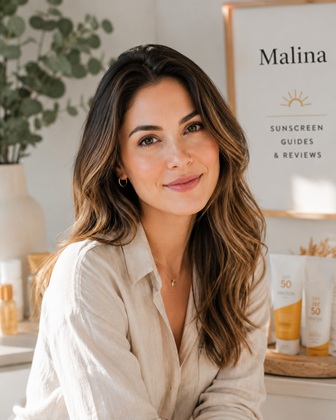
I’m Malina, and I’ve always believed that healthy skin starts with good protection. My interest in skincare began years ago after struggling to find sunscreens that actually lived up to their claims. I spent countless hours learning about UV protection, ingredients, skin types, and how different formulas perform in real-life conditions—not just in a lab.
That passion eventually became Sunscreens Insider, a place where I share honest reviews, practical buying guides, and straightforward advice to help people choose the right sunscreen with confidence. From mineral and chemical formulas to options for sensitive, oily, dry, and acne-prone skin, I personally research and evaluate every product before recommending it. My goal isn’t to chase trends or promote the most expensive brands—it’s to provide reliable, easy-to-understand information based on careful testing and evidence. If my reviews help you protect your skin and make a smarter purchase, then I’ve accomplished exactly what I set out to do.


