


Salt dries on your shoulders, heat gathers on your cheeks, and the first bright afternoon can leave skin feeling tight before you notice the color changing. Reliable sun protection needs to stay comfortable for beach days, city walks, and long lunches outdoors.
This roundup brings the best sunscreens in europe into one comparison, focusing on details that affect daily use rather than shelf appeal. Keep reading for a clear framework before you choose.
Key Takeaways
- Prioritize broad-spectrum protection and check for a clearly stated UVA rating alongside SPF.
- Choose SPF 30 or higher for regular outdoor exposure, with SPF 50 preferable for intense sun or fair skin.
- Match the formula to your routine, selecting water resistance for swimming and a lighter texture for daily face use.
- Check the container size and application guidance, since generous, repeated application affects real-world protection.
- Avoid relying on sunscreen alone, and pair it with shade, clothing, and sunglasses during strong sunlight.
| Sensitive Skin Essential |  |
La Roche-Posay Anthelios SPF 60 | SPF 60 protection | Face and body use | Melt-in milk format | View on Amazon | Read Review |
| Vintage Style Pick | 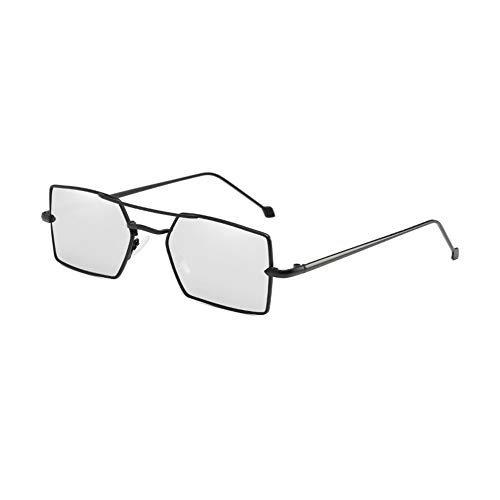 |
Vintage Metal Sunglasses | Vintage-inspired styling | Metal construction | Gender-inclusive positioning | View on Amazon | Read Review |
| Market Research Reference | 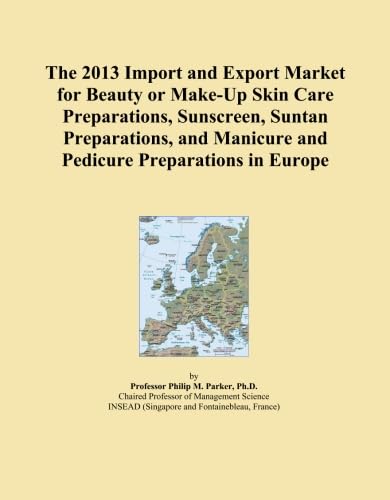 |
2013 Europe Beauty Care Report | Covers European markets | Includes sunscreen trade data | Useful for industry research | View on Amazon | Read Review |
More Details on Our Top Picks
-
La Roche-Posay Anthelios SPF 60
For broad daily coverage, this is the clear fit in the group. The SPF 60 rating and face-and-body format suit shoppers who want one sunscreen for exposed skin rather than separate products.
The melt-in milk texture suggests a practical lotion-style application, while the established La Roche-Posay name may appeal to sensitive-skin shoppers. The listing does not provide size, ingredient, water-resistance, or sensitive-skin claims, so you should verify those details before buying.
- Brand:La Roche-Posay
- Product Type:Sunscreen milk
- SPF Rating:SPF 60
- Additional Feature:Designed for face and body
- Additional Feature:Melt-in milk texture
- Additional Feature:Anthelios sunscreen range
-
Vintage Metal Sunglasses
This listing is aimed at shoppers seeking vintage-style sunglasses rather than a clearly documented sunscreen product. The metal construction and broad wording around women and men suggest a fashion accessory with potentially wide appeal.
You should treat the protection level as a major unknown. The listing does not confirm UV protection, lens category, fit, or lens material, so it is not a dependable choice for a sunscreen roundup or for verified eye protection.
- Product Type:Sunglasses
- Material:Metal
- Additional Feature:Vintage design
- Additional Feature:Marketed for women and men
- Additional Feature:European reference in title
-
2013 Europe Beauty Care Report
This is a market research publication, not a sunscreen you can apply. It may suit analysts, importers, and beauty-industry buyers researching European trade activity across sunscreen, skincare, and related product categories.
Its useful scope covers import and export data for beauty or makeup preparations, sunscreen, suntan products, and manicure and pedicure preparations. The 2013 publication year is a serious limitation for current decisions, and the listing does not provide methodology, coverage detail, or data tables.
- Product Type:Market research report
- Year:2013
- Additional Feature:Import and export focus
- Additional Feature:Beauty and skincare coverage
- Additional Feature:Sunscreen and suntan categories
Frequently Asked Questions
How much sunscreen should you apply?
Use about two milligrams per square centimetre of skin. For your face and neck, that is often approximated as two finger lengths of product, though the exact amount depends on the product's nozzle and your hand size. Apply sunscreen as the final step of your morning skincare routine, then allow it to set before makeup. Cover commonly missed areas such as the ears, eyelids if tolerated, hairline, neck, and hands.
Is SPF 50 much better than SPF 30?
SPF 30 filters roughly 97% of UVB, while SPF 50 filters about 98%. The numerical difference is modest, but SPF 50 gives you more protection against under-application and is a sensible choice for fair or photosensitive skin. Neither rating protects you from all ultraviolet radiation. Check for the UVA circle as well, and reapply rather than treating a higher SPF as permission to stay outside longer.
Can you wear European sunscreen under makeup?
Yes. Choose a fast-setting fluid or gel and apply the full amount before makeup. Give it a few minutes to settle, especially if the formula tends to pill when layered. If you need to reapply over makeup, a compact cream or sunscreen stick can help with small areas. Sprays are less dependable on the face because wind and uneven application can leave unprotected patches.
Are mineral sunscreens safer for sensitive skin?
Mineral filters can work well for some sensitive users, but “mineral” does not guarantee irritation-free performance. The full formula matters, including fragrance, preservatives, and alcohol. If your skin reacts easily, choose a fragrance-free product, patch test it on a small area, and stop using it if you develop persistent burning, swelling, or a rash. Seek medical advice for a severe reaction.
Does sunscreen expire?
Yes. Check the expiry date or the open-jar symbol, and replace the product if its texture, colour, or smell changes. Heat and direct sunlight can also reduce formula stability, so store sunscreen in a cool, shaded place. Do not rely on last season's half-used bottle if it has been left in a hot car or beach bag. Buy enough for the season, but avoid stocking up so far in advance that the product expires before you finish it.
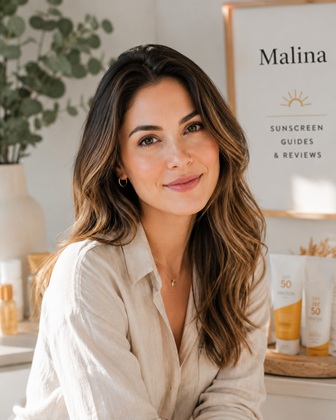
I’m Malina, and I’ve always believed that healthy skin starts with good protection. My interest in skincare began years ago after struggling to find sunscreens that actually lived up to their claims. I spent countless hours learning about UV protection, ingredients, skin types, and how different formulas perform in real-life conditions—not just in a lab.
That passion eventually became Sunscreens Insider, a place where I share honest reviews, practical buying guides, and straightforward advice to help people choose the right sunscreen with confidence. From mineral and chemical formulas to options for sensitive, oily, dry, and acne-prone skin, I personally research and evaluate every product before recommending it. My goal isn’t to chase trends or promote the most expensive brands—it’s to provide reliable, easy-to-understand information based on careful testing and evidence. If my reviews help you protect your skin and make a smarter purchase, then I’ve accomplished exactly what I set out to do.


