


By midday, melasma can look darker in the mirror, especially after heat, glare, and time outdoors. That creeping uneven tone makes daily sun protection feel less like a finishing touch and more like part of your routine.
The best sunscreens melasma shoppers seek deserve a careful comparison, not a quick glance at the SPF number. This roundup brings together ten widely available formulas and points you toward the details that can shape a smarter choice. Keep reading to see what separates them.
Key Takeaways
- Choose broad-spectrum protection with strong UVA coverage, since UVA exposure can contribute to persistent discoloration.
- Favor SPF 30 or higher, and reapply every two hours during outdoor exposure or after sweating or swimming.
- Consider a tinted formula with iron oxides if visible light appears to worsen your melasma.
- Match the texture to your routine, because a sunscreen you apply generously and consistently beats one you avoid.
- Check fragrance, oil, and water-resistance details against your skin type and daily activities.
| Oil-Control Champion | 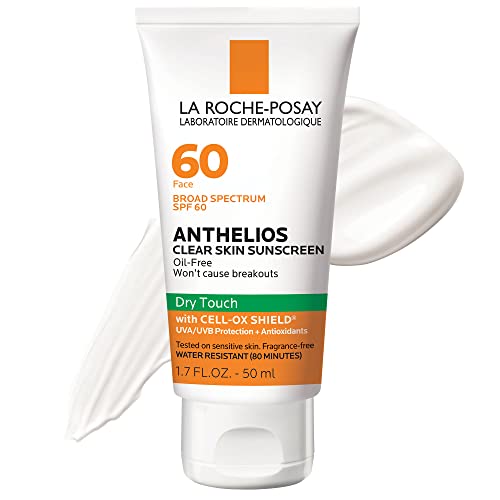 |
La Roche-Posay Clear Skin SPF 60 | High SPF 60 protection | Oil-free facial formula | Suits shiny skin | View on Amazon | Read Review |
| Matte Makeup Base | 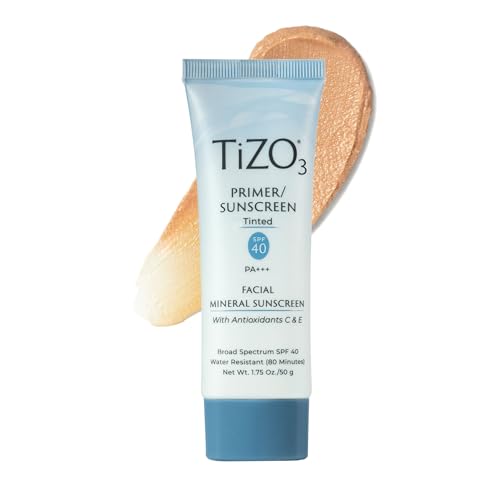 |
TiZO3 Tinted Mineral SPF 40 | Sheer matte finish | Tinted mineral formula | Fragrance-free and oil-free | View on Amazon | Read Review |
| Niacinamide Daily Shield |  |
La Roche-Posay Mela B3 SPF 30 | Includes niacinamide | Designed for facial use | Simple daytime step | View on Amazon | Read Review |
| Maximum SPF Coverage |  |
La Roche-Posay Melt-In Milk SPF 100 | SPF 100 protection | Face and body use | Melt-in milk format | View on Amazon | Read Review |
| Sensitive Skin Tint | 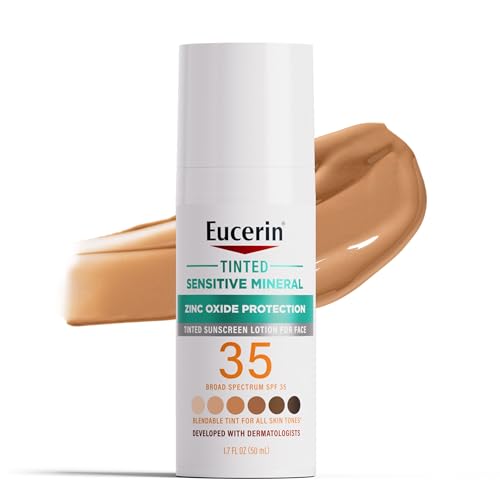 |
Eucerin Tinted Mineral SPF 35 | Tinted mineral protection | Made for sensitive skin | Face-specific lotion | View on Amazon | Read Review |
| Fair-Light Mineral Tint |  |
Australian Gold Tinted Mineral SPF 50 | SPF 50 protection | Mineral tinted formula | Fair-light shade option | View on Amazon | Read Review |
| High-Protection Corrector | 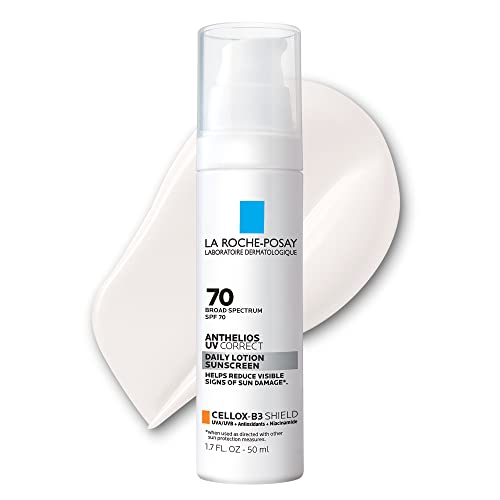 |
La Roche-Posay UV Correct SPF 70 | High SPF 70 level | Facial lotion format | Suits tone-focused routines | View on Amazon | Read Review |
| Lightweight Serum Layer |  |
The Ordinary UV Filters SPF 45 | Lightweight serum texture | No listed white cast | Non-comedogenic positioning | View on Amazon | Read Review |
| Clear Water-Light Formula |  |
ISDIN Fusion Water SPF 40 | Lightweight clear finish | SPF 40 protection | Face-specific formula | View on Amazon | Read Review |
| Outdoor Face-Body Workhorse |  |
La Roche-Posay UV Pro-Sport SPF 50 | SPF 50 protection | Face and body coverage | Generous 6.7-ounce size | View on Amazon | Read Review |
More Details on Our Top Picks
-
La Roche-Posay Clear Skin SPF 60
For melasma-prone skin that becomes shiny during the day, this oil-free face sunscreen is a practical first choice. The high SPF 60 level gives you strong daily UVB protection, while the clear-skin positioning suits oily or blemish-prone routines.
Its main limitation is the lack of a listed tint, so it may not help shield against visible light as directly as a tinted mineral formula. You may also prefer a separate primer if you want makeup-smoothing benefits.
- Brand:La Roche-Posay
- Product Type:Face sunscreen
- SPF Level:SPF 60
- Coverage Area:Face
- Size:1.7 oz
- Additional Feature:Oil-free formula
- Additional Feature:Clear-skin positioning
- Additional Feature:Facial sunscreen
-
TiZO3 Tinted Mineral SPF 40
TiZO3 is a strong fit if you want mineral sun protection that can sit beneath makeup. Its tinted, sheer matte finish may help reduce the look of a white cast while keeping shine under control.
The primer-like texture is useful for streamlined morning routines, and the formula is listed as fragrance-free and oil-free. Its SPF 40 is solid, but the sheer tint may not provide enough visible-light coverage for every melasma-prone complexion.
- Brand:TiZO3
- Product Type:Mineral face sunscreen
- SPF Level:SPF 40
- Coverage Area:Face
- Tint:Tinted
- Size:1.75 oz
- Additional Feature:Antioxidants included
- Additional Feature:Primer finish
- Additional Feature:PA+++ rating
-
La Roche-Posay Mela B3 SPF 30
Choose this option if you want niacinamide included in your daytime sunscreen step. The formula is designed for the face and offers SPF 30, making it a reasonable choice for everyday urban exposure and lower-intensity routines.
The lower SPF level is the clearest drawback for melasma, especially if you spend extended time outdoors. It also has no listed tint, so you may want separate visible-light coverage if dark patches are your primary concern.
- Brand:La Roche-Posay
- Product Type:Face sunscreen
- SPF Level:SPF 30
- Coverage Area:Face
- Size:1.35 oz
- Additional Feature:Niacinamide formula
- Additional Feature:Mela B3 range
- Additional Feature:Facial sunscreen
-
La Roche-Posay Melt-In Milk SPF 100
This is the pick for very high SPF protection across both your face and body. The melt-in milk format also makes it more practical when you need one sunscreen for larger areas rather than a small facial tube.
The SPF 100 rating is appealing for melasma-conscious outdoor routines, but the product is not listed as tinted. Because it comes in a 3-ounce size, it may be less convenient for carrying than a compact facial sunscreen.
- Brand:La Roche-Posay
- Product Type:Face and body sunscreen
- SPF Level:SPF 100
- Coverage Area:Face and body
- Size:3 oz
- Additional Feature:Melt-in milk texture
- Additional Feature:Large 3-ounce size
- Additional Feature:Broad-use application
-
Eucerin Tinted Mineral SPF 35
Eucerin’s formula makes sense for you if your skin is sensitive and you prefer a tinted mineral sunscreen. The tint can make daily wear more comfortable cosmetically, while the face-specific lotion format keeps application straightforward.
SPF 35 is adequate for routine use, but you may want a higher-SPF option for intense sun exposure or long outdoor days. The listed shade range is not provided, so the tint may not suit every skin tone equally well.
- Brand:Eucerin
- Product Type:Mineral face sunscreen
- SPF Level:SPF 35
- Coverage Area:Face
- Tint:Tinted
- Size:1.7 fl oz
- Additional Feature:Sensitive skin positioning
- Additional Feature:Lotion format
- Additional Feature:Mineral sunscreen
-
Australian Gold Tinted Mineral SPF 50
This Australian Gold sunscreen is best suited to fair to light complexions that want a tinted mineral formula. Its SPF 50 level is a strong match for daily melasma protection, and the tint may be more cosmetically appealing than an untinted mineral product.
The main limitation is the specifically listed fair-to-light shade, which narrows its audience. If your complexion is deeper or changes significantly with seasonal color, the tint may require blending with makeup.
- Brand:Australian Gold
- Product Type:Mineral face sunscreen
- SPF Level:SPF 50
- Coverage Area:Face
- Tint:Fair to light
- Size:Not listed
- Additional Feature:Tinted finish
- Additional Feature:Mineral sunscreen
- Additional Feature:Fair-to-light tint
-
La Roche-Posay UV Correct SPF 70
If you prioritize high SPF in a facial lotion, Anthelios UV Correct gives you a strong daily protection level at SPF 70. The UV Correct name also makes it a natural consideration for routines focused on the look of uneven tone.
The product title does not list a tint, so it may not address visible light as directly as tinted sunscreen. You will also need to check the full ingredient list if specific tone-supporting actives matter to your routine.
- Brand:La Roche-Posay
- Product Type:Face sunscreen lotion
- SPF Level:SPF 70
- Coverage Area:Face
- Size:1.7 oz
- Additional Feature:UV Correct range
- Additional Feature:Lotion texture
- Additional Feature:Facial use
-
The Ordinary UV Filters SPF 45
The Ordinary’s option is aimed at shoppers who dislike heavy sunscreen textures and want a lightweight hydrating serum. Its SPF 45 rating, non-comedogenic positioning, and listed no-white-cast finish make it appealing for daily face use.
The title does not identify a tint, so this is not the most direct choice for visible-light protection linked to melasma. The serum format may also feel less makeup-like than a dedicated tinted primer.
- Brand:The Ordinary
- Product Type:Face serum sunscreen
- SPF Level:SPF 45
- Coverage Area:Face
- Size:2 fl oz
- Additional Feature:Hydrating formula
- Additional Feature:UVA/UVB protection
- Additional Feature:Travel-size positioning
-
ISDIN Fusion Water SPF 40
ISDIN Fusion Water suits you if conventional sunscreen feels too noticeable on the face. Its lightweight clear formula and SPF 40 rating make it a comfortable-looking option for everyday wear.
The clear finish is a benefit for avoiding visible residue, but it does not provide the visible-light defense associated with many tinted sunscreens. You may need a separate tinted product or makeup layer if pigmentation control is your central goal.
- Brand:ISDIN
- Product Type:Face sunscreen
- SPF Level:SPF 40
- Coverage Area:Face
- Size:1.7 fl oz
- Additional Feature:Fusion Water format
- Additional Feature:Lightweight texture
- Additional Feature:Clear finish
-
La Roche-Posay UV Pro-Sport SPF 50
This is the practical choice for active outdoor routines that require one sunscreen for your face and body. Its SPF 50 level gives you strong daily protection, while the 6.7-ounce size is convenient for covering larger areas.
The formula is not listed as tinted, so it may be less targeted to visible-light concerns than a tinted mineral sunscreen. Its larger bottle is useful at home or for trips, but less compact for a small everyday bag.
- Brand:La Roche-Posay
- Product Type:Face and body sunscreen
- SPF Level:SPF 50
- Coverage Area:Face and body
- Size:6.7 oz
- Additional Feature:UV Pro-Sport range
- Additional Feature:Outdoor-use positioning
- Additional Feature:Large bottle size
Frequently Asked Questions
Is tinted sunscreen better for melasma?
Tinted sunscreen can be a smart choice because formulas containing iron oxides help reduce exposure to some visible light, which may worsen melasma. This benefit is in addition to broad-spectrum UV protection. Check the ingredient list rather than relying on the word “tinted” alone. Not every tinted sunscreen contains enough iron oxides to provide meaningful visible-light coverage.
What SPF is best for melasma?
Choose at least SPF 30, but SPF 50 gives you a wider margin for everyday exposure. Make sure the product also offers broad-spectrum UVA protection, since SPF mainly reflects UVB performance. Apply the correct amount every morning and reapply during extended outdoor activity. More product and consistent use matter as much as the number on the label.
Can sunscreen alone clear melasma?
Sunscreen helps prevent melasma from becoming darker, but it usually cannot remove established patches by itself. Daily protection is the essential first step, while treatments such as prescription creams, procedures, or other pigment-targeting products may be added under professional guidance. Melasma can return after it improves, particularly with sun and visible-light exposure. Keep using sunscreen even when your skin looks more even.
Should you use mineral or chemical sunscreen for melasma?
Both mineral and chemical sunscreens can work if they provide broad-spectrum protection and you apply enough. Tinted mineral or hybrid formulas may be especially useful when visible-light protection is a priority. Your best option is the one that feels comfortable, does not irritate your skin, and leaves no finish that discourages daily use. Consistency is the deciding factor.
How often should you reapply sunscreen for melasma?
Reapply about every two hours when you are outdoors, and sooner after swimming, sweating, or towel drying. If you spend most of the day indoors away from windows, one thorough morning application may be sufficient, though repeated window exposure calls for more care. Use hats, sunglasses, and shade as extra protection. Sunscreen is the shield, while physical barriers provide another layer against pigment-triggering light.
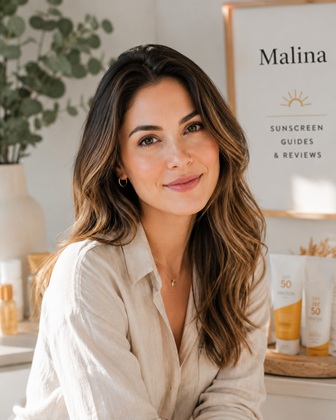
I’m Malina, and I’ve always believed that healthy skin starts with good protection. My interest in skincare began years ago after struggling to find sunscreens that actually lived up to their claims. I spent countless hours learning about UV protection, ingredients, skin types, and how different formulas perform in real-life conditions—not just in a lab.
That passion eventually became Sunscreens Insider, a place where I share honest reviews, practical buying guides, and straightforward advice to help people choose the right sunscreen with confidence. From mineral and chemical formulas to options for sensitive, oily, dry, and acne-prone skin, I personally research and evaluate every product before recommending it. My goal isn’t to chase trends or promote the most expensive brands—it’s to provide reliable, easy-to-understand information based on careful testing and evidence. If my reviews help you protect your skin and make a smarter purchase, then I’ve accomplished exactly what I set out to do.


