


How do you build a sun-kissed look without ending up red? That question gets complicated fast, because a sun-kissed finish and meaningful UV protection are not the same promise.
This roundup of the best sunscreens to tan but not burn brings together products with very different roles and claims. Read on for a clear comparison before you choose your place in the lineup.
Key Takeaways
- Prioritize broad-spectrum UVA/UVB coverage and choose an SPF suited to your skin and exposure level.
- Treat tanning oils with SPF 0 as bronzing products, not sunscreen or burn protection.
- For beach or pool use, select water resistance rated for 80 minutes and reapply after swimming or sweating.
- Check spray coverage carefully, since missed areas can leave uneven protection across your skin.
- Treat DIY zinc oxide powder as an ingredient, not a ready-to-use sunscreen, unless its final formula is properly measured and dispersed.
| Light Tan Intensifier |  |
b.tan SPF 7 Tanning Oil | Low SPF tanning formula | Convenient spray format | Designed for bronzing | View on Amazon | Read Review |
| Everyday High Protection |  |
Coral Isles SPF 50 Lotion | Broad-spectrum protection | No-whitecast finish | Water resistant | View on Amazon | Read Review |
| Unfiltered Tanning Oil |  |
b.tan SPF 0 Tanning Oil | Dark tanning formula | Easy spray application | No SPF filtering | View on Amazon | Read Review |
| DIY Mineral Base |  |
Non-Nano Zinc Oxide Powder | Non-nano zinc oxide | Uncoated powder format | Useful for DIY formulas | View on Amazon | Read Review |
| Larger DIY Supply | |
Non-Nano Zinc Oxide Powder | Larger project quantity | Non-nano mineral ingredient | Uncoated powder | View on Amazon | Read Review |
| Family Pack Convenience | 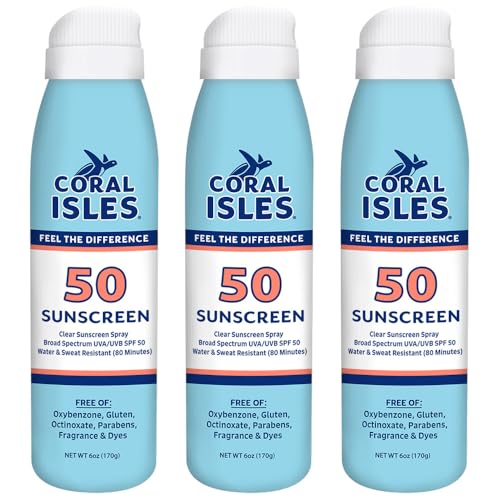 |
Coral Isles SPF 50 Spray | Three-bottle value pack | Broad-spectrum SPF 50 | Reef-safe positioning | View on Amazon | Read Review |
More Details on Our Top Picks
-
b.tan SPF 7 Tanning Oil
For you, this is the better pick if you want a low-SPF tanning oil rather than a traditional high-protection sunscreen. The spray format should make application quick, while the bronzing formula is aimed at intensifying the look of a tan.
Its main appeal is SPF 7, a lightweight oil format, and a purpose-built tanning formula. The limitation is significant: low SPF offers limited protection, so this is not a sensible choice for prolonged sun exposure or very fair skin.
- Brand:b.tan
- Product Type:Tanning oil
- SPF:7
- Format:Spray
- Additional Feature:Dark intensifier formula
- Additional Feature:Sun tan bronzer
- Additional Feature:Low SPF coverage
-
Coral Isles SPF 50 Lotion
Choose this SPF 50 lotion if your priority is reducing burn risk while still allowing some gradual color over time. Its broad-spectrum UVA/UVB coverage and lightweight, no-whitecast description make it a practical option for regular outdoor use.
The 80-minute water resistance is useful for swimming or sweating, and the 6-fluid-ounce bottle suits routine body application. You still need to reapply after water exposure, towel drying, or extended time outdoors, and high SPF does not make tanning risk-free.
- Brand:Coral Isles
- Product Type:Sunscreen lotion
- SPF:50
- Format:Lotion
- Size:6 fl oz
- Additional Feature:UVA and UVB coverage
- Additional Feature:Water resistant 80 minutes
- Additional Feature:Lightweight formula
-
b.tan SPF 0 Tanning Oil
This product is intended for you if you want a bronzing oil with no listed SPF and understand that it does not protect against UV-related burning. The spray format and dark-intensifier positioning focus entirely on tanning rather than sun defense.
Its strengths are the oil spray format, simple tanning purpose, and bronzer-focused formula. The limitation is decisive: SPF 0 provides no labeled sunscreen protection, so you should not use it as your only product in direct sun.
- Brand:b.tan
- Product Type:Tanning oil
- SPF:0
- Format:Spray
- Additional Feature:Dark intensifier formula
- Additional Feature:Sun tan bronzer
- Additional Feature:Oil-based format
-
Non-Nano Zinc Oxide Powder
This non-nano zinc oxide powder is aimed at you if you make DIY sunscreen, suntan lotion, or simple skin-care preparations. It may also suit household first-aid uses listed in the title, including burn relief and diaper rash ointment.
The uncoated powder offers a flexible mineral ingredient for custom formulations, with a compact 1-ounce size for smaller projects. The limitation is that it is not a ready-to-apply sunscreen, and a homemade mixture may not provide verified SPF or reliable coverage.
- Product Type:Zinc oxide powder
- Format:Powder
- Size:1 oz
- Additional Feature:DIY sunscreen ingredient
- Additional Feature:Suntan lotion ingredient
- Additional Feature:Listed burn relief use
-
Non-Nano Zinc Oxide Powder
The 4-ounce size makes this version a better fit for you if you plan to prepare multiple DIY sunscreen or skin-care batches. The powder can also be considered for the listed uses of suntan lotion, burn relief remedies, and diaper rash ointments.
You get the same non-nano, uncoated zinc oxide format as the smaller option, with more material for repeated projects. Like any raw cosmetic ingredient, it is not a finished sunscreen, and its final protection depends on a properly formulated and tested product.
- Product Type:Zinc oxide powder
- Format:Powder
- Size:4 oz
- Additional Feature:DIY sunscreen ingredient
- Additional Feature:Suntan lotion ingredient
- Additional Feature:Listed diaper rash use
-
Coral Isles SPF 50 Spray
Pick this three-pack of SPF 50 spray if you want high-protection sun care for frequent outdoor use or several people. The spray format should make body application faster, while the reef-safe positioning may appeal to you when environmental considerations matter.
Broad-spectrum protection, 80-minute water resistance, and three 6-fluid-ounce bottles are the key advantages. The tradeoff is that sprays can be easier to under-apply than lotions, so you need thorough coverage and regular reapplication to help prevent burning.
- Brand:Coral Isles
- Product Type:Sunscreen spray
- SPF:50
- Format:Spray
- Size:6 fl oz
- Pack Count:3
- Additional Feature:UVA and UVB coverage
- Additional Feature:Water resistant 80 minutes
- Additional Feature:Reef-safe formula
Frequently Asked Questions
Can you tan while wearing sunscreen?
Yes, sunscreen reduces UV exposure but does not block every ray, so you may still develop a tan. However, a tan is a sign of skin damage, not a safe or healthy response to sunlight. Use broad-spectrum SPF 30 or higher, limit direct exposure, and consider a self-tanner if you want more color without intentional UV exposure.
What SPF is best for tanning without burning?
Choose at least SPF 30 with broad-spectrum protection. SPF 50 can be a better choice if you burn easily, have fair skin, take photosensitizing medication, or will be outside for an extended period. Higher SPF does not let you stay in the sun longer. Reapply every two hours and after swimming, sweating, or toweling off.
Does sunscreen prevent tanning completely?
No. Sunscreen filters much of the UV radiation that causes tanning, but it does not provide total protection. The amount of tanning varies with your skin type, the product's SPF, and how generously you apply it. Do not lower your SPF to tan faster. Faster tanning also means greater UV exposure and a higher risk of sunburn, premature aging, and skin cancer.
Are tanning oils with SPF safe?
A tanning oil with SPF can offer some protection, but the word “tanning” does not make the product safer. Check that it provides broad-spectrum protection, has at least SPF 30, and is applied in the correct amount. Avoid formulas with little or no SPF. For a bronzed appearance, use self-tanner after applying sunscreen as directed, rather than seeking extra UV exposure.
How can you avoid burning while trying to tan?
Apply enough SPF 30 or higher sunscreen before going outdoors, wear protective clothing, and seek shade during the strongest midday sunlight. Reapply regularly, since sweat, water, and towels remove protection. Never use redness as your stopping point. Sunburn can develop after you leave the beach, so end exposure before your skin feels hot, tight, or irritated.
I’m Malina, and I’ve always believed that healthy skin starts with good protection. My interest in skincare began years ago after struggling to find sunscreens that actually lived up to their claims. I spent countless hours learning about UV protection, ingredients, skin types, and how different formulas perform in real-life conditions—not just in a lab.
That passion eventually became Sunscreens Insider, a place where I share honest reviews, practical buying guides, and straightforward advice to help people choose the right sunscreen with confidence. From mineral and chemical formulas to options for sensitive, oily, dry, and acne-prone skin, I personally research and evaluate every product before recommending it. My goal isn’t to chase trends or promote the most expensive brands—it’s to provide reliable, easy-to-understand information based on careful testing and evidence. If my reviews help you protect your skin and make a smarter purchase, then I’ve accomplished exactly what I set out to do.


