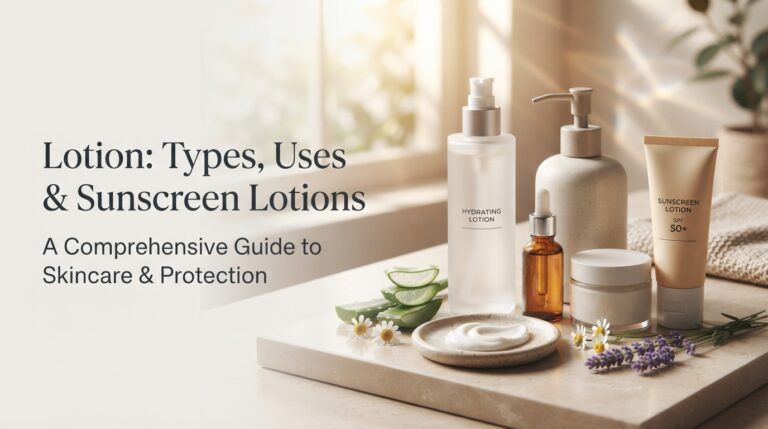


When it comes to skincare, one of the most frequently asked questions is, should you apply sunscreen before or after moisturizer? The answer to this question may seem straightforward, but understanding the nuances of skincare products can make a significant difference in protecting your skin from harmful UV rays. In this comprehensive guide, we’ll explore the relationship between sunscreen and moisturizer, the science behind their application order, and various tips to ensure your skin gets the best protection.
The Importance of Sunscreen and Moisturizer
Before diving into the specifics of application order, it’s crucial to understand why both sunscreen and moisturizer are essential components of any skincare routine.
Why Moisturizer Matters
Moisturizer serves several important functions for the skin, including:
- Hydration: It helps maintain the skin’s moisture barrier, preventing dryness and flakiness.
- Improved Texture: Regular use can lead to smoother and more supple skin.
- Anti-Aging Benefits: Many moisturizers are formulated with ingredients that combat signs of aging.
The Role of Sunscreen
Sunscreen protects the skin from the damaging effects of ultraviolet (UV) radiation. The benefits include:
- Prevention of Skin Cancer: Regular use can significantly reduce the risk of developing skin cancer.
- Prevention of Premature Aging: Sunscreen helps protect against wrinkles and sunspots caused by UV exposure.
- Even Skin Tone: It aids in preventing pigmentation issues such as melasma and sunspots.
Understanding the Application Order
The question of whether to apply sunscreen before or after moisturizer can be confusing, especially given the variety of products available. Here’s a breakdown of the most effective approach.
General Guidelines
Experts generally recommend applying sunscreen as the final step in your skincare routine. Here’s why:
- Barrier Function: Sunscreen creates a protective barrier on the skin, which can block UV rays more effectively when applied last.
- Moisturizer Absorption: Applying moisturizer first allows it to absorb properly into the skin without interference from the sunscreen.
- Layering Effect: Applying sunscreen last ensures that it remains effective and does not get diluted by other products.
Different Skin Types and Formulations
While the general rule is to apply sunscreen after moisturizer, individual skin types and specific product formulations may affect this order.
Oily or Acne-Prone Skin
If you have oily or acne-prone skin, consider using a gel-based or oil-free moisturizer. In this case, sunscreen can be applied after the moisturizer without feeling heavy. Look for:
- Non-comedogenic products that won’t clog pores.
- Matte-finish sunscreens that control oil and shine.
Dry or Sensitive Skin
For individuals with dry or sensitive skin, it’s even more critical to ensure adequate hydration. Apply a rich moisturizer first, allowing your skin to absorb it fully, then follow up with a broad-spectrum sunscreen. Choose moisturizers with:
- Hydrating ingredients like hyaluronic acid, glycerin, or ceramides.
- Sunscreens that contain soothing agents such as aloe vera or chamomile.
Layering Techniques for Optimal Results
To get the best results from your skincare routine, consider these layering techniques:
Layering Steps
- Cleanse your face thoroughly.
- Apply any serums or treatments (e.g., vitamin C, retinol) that you may use.
- Apply your moisturizer, allowing it to absorb for a few minutes.
- Finish with a broad-spectrum sunscreen, ensuring even coverage.
Product Types and Textures
The texture of your products can also influence application order. For example:
- If you use a thick cream moisturizer, you may need to wait a bit longer before applying sunscreen to ensure absorption.
- With lighter gel moisturizers, you can often apply sunscreen immediately after without any waiting time.
Common Misconceptions
There are several myths surrounding sunscreen and moisturizer application that can lead to confusion. Here are a few clarifications:
Myth 1: Sunscreen is Only Needed on Sunny Days
Many people believe that sunscreen is only necessary when the sun is shining. In reality, UV rays can penetrate clouds and cause skin damage even on overcast days.
Myth 2: Makeup with SPF is Enough
While makeup products with SPF offer some protection, they typically do not provide sufficient coverage for adequate UV protection. It’s best to apply a dedicated sunscreen for optimal results.
Myth 3: You Don’t Need Sunscreen Indoors
Even if you’re indoors, UV rays can penetrate windows, so wearing sunscreen daily is advisable, especially if you spend extended periods near windows.
Expert Recommendations
Dermatologists and skincare experts emphasize the importance of using sunscreen daily, regardless of the weather or your plans. Here are some of their top recommendations:
- Use a broad-spectrum sunscreen with an SPF of at least 30.
- Reapply sunscreen every two hours if you’re outdoors, or after swimming or sweating.
- Consider using a moisturizer with built-in SPF for added convenience.
Conclusion
Determining whether to apply sunscreen before or after moisturizer is essential for maintaining healthy skin. By applying sunscreen as the final step of your skincare routine, you ensure maximum protection against harmful UV rays while benefiting from the hydrating properties of your moisturizer. Always choose products suited to your skin type and consider expert recommendations for the best results. Remember, a consistent skincare routine is key to achieving and maintaining healthy, radiant skin.

I’m James Wilson, and I’ve always believed that the best skincare advice comes from research, real-world experience, and honest recommendations—not marketing claims. Over the years, I developed a strong interest in understanding how sunscreens work, comparing ingredients, SPF ratings, and formulas to find products that truly protect the skin.
Through SunscreensInsider.com, I share in-depth sunscreen buying guides, product reviews, and practical advice to help readers choose the right sun protection for their skin type, lifestyle, and budget. Every recommendation is backed by careful research, ingredient analysis, expert insights, and real user experiences whenever possible. My goal is simple: to make sunscreen shopping easier by providing clear, unbiased information that helps people protect their skin with confidence.