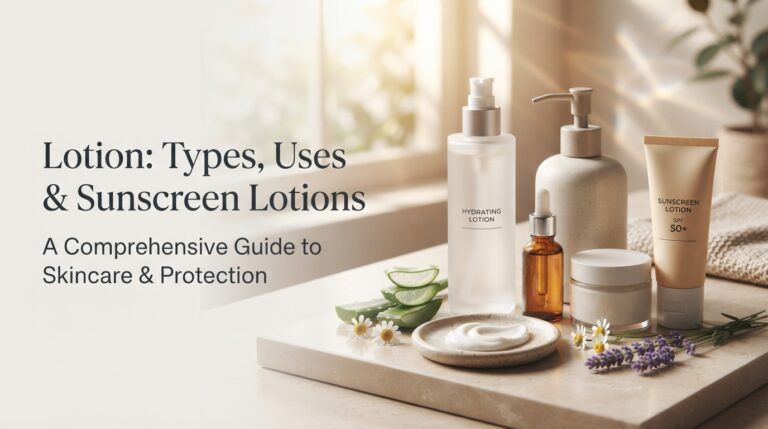


Understanding the correct order of applying skincare and makeup products is crucial for achieving a flawless look. One common question many beauty enthusiasts have is, “What goes first: primer or sunscreen?” This article delves into the importance of each product, the science behind their application, and tips to ensure your skin stays protected and looks radiant.
The Roles of Sunscreen and Primer
Before we tackle the order of application, let’s clarify what each product does and why they’re important for your skincare routine.
What is Sunscreen?
Sunscreen is a protective product designed to shield your skin from the harmful effects of ultraviolet (UV) rays. There are two main types of UV rays:
- UVA Rays: These penetrate deep into the skin and can cause premature aging and skin cancer.
- UVB Rays: These primarily affect the surface of the skin and are responsible for sunburn.
Using sunscreen daily can reduce the risk of skin cancer and prevent signs of aging, making it a vital part of your skincare regimen.
What is Primer?
Primer is a cosmetic product that creates a smooth base for makeup application. It helps to fill in fine lines, minimize the appearance of pores, and prolong the wear of your makeup. Primers come in various formulations, including mattifying, hydrating, and illuminating, catering to different skin types and desired finishes.
Understanding the Importance of Order
Now that we’ve established the purpose of each product, let’s discuss why the order of application matters. Using these products in the correct sequence ensures optimal performance and protection. When applied correctly, sunscreen can effectively shield your skin from UV damage, while primer can enhance your makeup’s longevity and appearance.
The Correct Order: Sunscreen First, Then Primer
When it comes to the question of “What goes first: primer or sunscreen?” the answer is clear: sunscreen should always be applied first. Here’s why:
1. Protection is Paramount
Applying sunscreen directly to the skin ensures that it can create an effective barrier against UV rays. If primer is applied first, it may interfere with the sunscreen’s ability to adhere properly to the skin, reducing its protective efficacy.
2. Ensuring Even Application
When sunscreen is applied first, it allows for a more even distribution across the skin. This is crucial for achieving the full SPF protection promised by the product.
3. Primer Enhances Makeup Performance
After applying sunscreen, using a primer can lock in the protection while providing a smooth surface for makeup application. This combination can lead to a more flawless finish and longer-lasting wear.
How to Apply Sunscreen and Primer Correctly
To maximize the benefits of sunscreen and primer, follow these steps:
Step 1: Cleanse and Moisturize
Start with a clean face. Use a gentle cleanser suited for your skin type, then apply a lightweight moisturizer. This step hydrates your skin and creates a good base for sunscreen.
Step 2: Apply Sunscreen
Choose a broad-spectrum sunscreen with an SPF of at least 30. Apply the sunscreen generously. Here are some tips:
- Use about a nickel-sized amount for your face.
- Ensure even coverage, including areas around the ears and neck.
- Allow the sunscreen to absorb for about 15-20 minutes before applying makeup.
Step 3: Apply Primer
Once the sunscreen has fully absorbed, apply your primer. Consider the following:
- Choose a primer suited for your skin type (mattifying for oily skin, hydrating for dry skin).
- Use a pea-sized amount and apply it in a dabbing motion for better adherence.
- Focus on areas where you want to minimize pores or enhance longevity.
Common Misconceptions About Primer and Sunscreen
Despite the clarity on the order of application, there are still some misconceptions that can lead to confusion:
1. Primer Replaces Sunscreen
Some may believe that using a primer with SPF can replace sunscreen. While it’s beneficial, it should never be a substitute for a dedicated sunscreen product. The amount of primer you apply is typically less than what is needed for adequate sun protection.
2. All Sunscreens are the Same
Not all sunscreens offer the same level of protection or are suitable for all skin types. It’s essential to choose a sunscreen based on your skin type and needs. For example, if you have sensitive skin, look for mineral-based sunscreens with zinc oxide or titanium dioxide.
3. Makeup Can Be Used as Sunscreen
Makeup with SPF can provide some additional protection, but it should not be relied upon solely. Regular reapplication of sunscreen is necessary, especially if you are outdoors or sweating.
Additional Tips for Skin Protection and Makeup Application
In addition to applying sunscreen and primer in the correct order, consider these helpful tips:
- Reapply Sunscreen: If you’re spending extended time outdoors, reapply sunscreen every two hours, or more frequently if swimming or sweating.
- Use a Setting Spray with SPF: After applying makeup, consider a setting spray that contains SPF for added protection throughout the day.
- Choose Non-Comedogenic Products: If you’re prone to breakouts, opt for non-comedogenic primers and sunscreens to avoid clogging your pores.
Conclusion
In the debate of what goes first: primer or sunscreen, the clear winner is sunscreen. Applying it first ensures your skin receives maximum protection from harmful UV rays, while primer can then provide a smooth base for makeup application. By understanding the roles of these products and following the correct order of application, you can protect your skin and enhance your makeup’s appearance. Remember, healthy skin is beautiful skin, so always prioritize sun protection in your daily routine.
By incorporating these practices into your skincare and makeup routine, you can achieve a flawless look while keeping your skin safe from the sun’s damaging effects. Now that you know the order, enjoy experimenting with different products and find what works best for you!

I’m James Wilson, and I’ve always believed that the best skincare advice comes from research, real-world experience, and honest recommendations—not marketing claims. Over the years, I developed a strong interest in understanding how sunscreens work, comparing ingredients, SPF ratings, and formulas to find products that truly protect the skin.
Through SunscreensInsider.com, I share in-depth sunscreen buying guides, product reviews, and practical advice to help readers choose the right sun protection for their skin type, lifestyle, and budget. Every recommendation is backed by careful research, ingredient analysis, expert insights, and real user experiences whenever possible. My goal is simple: to make sunscreen shopping easier by providing clear, unbiased information that helps people protect their skin with confidence.